
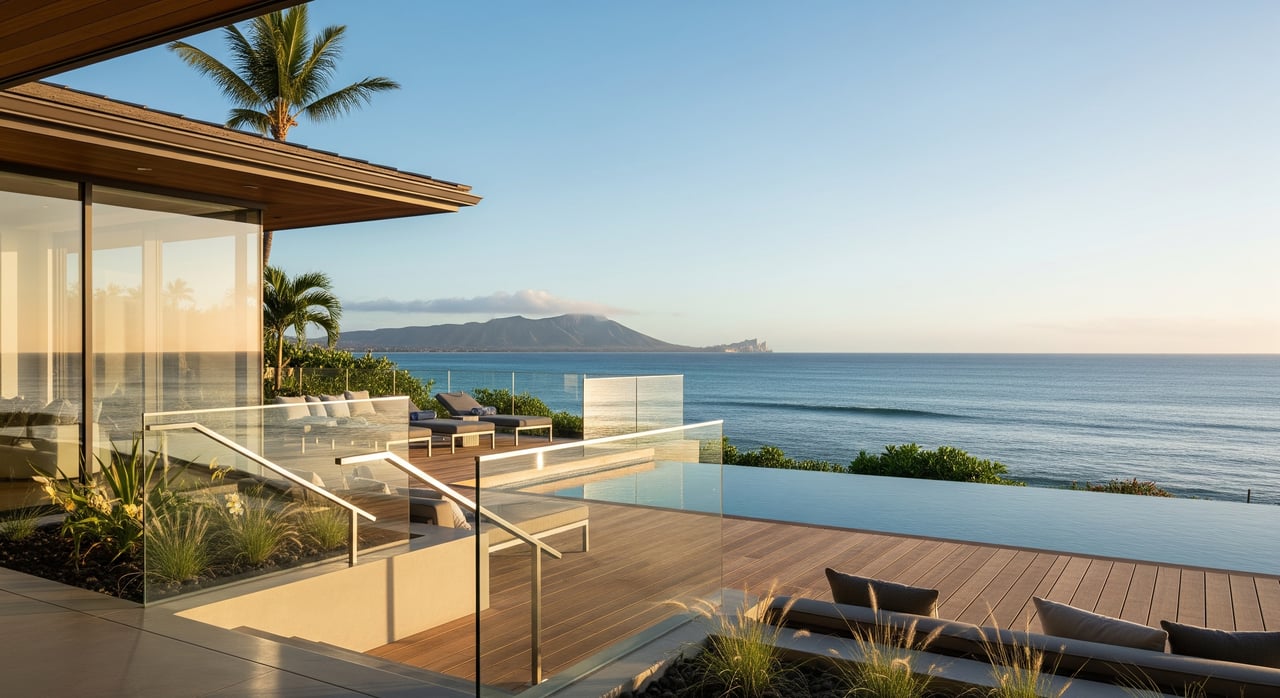
Pricing a view home in Koko Kai can feel like aiming at a moving target. Comparable sales are limited, buyers value views differently, and the right price must balance art and analysis. If you are preparing to sell, you want a number that draws strong interest, holds up with appraisers, and protects your net outcome.
In this guide, you will learn how to evaluate view quality, pull the right local data, set a confident price range, and market your home to earn a premium. You will also see where small pre-list updates can boost results and how to navigate appraisal and financing realities. Let’s dive in.
Why Koko Kai pricing is different
Koko Kai is a micro-market within East Honolulu. View homes here do not trade in high volume, which means median metrics can swing from one sale to the next. With a small data set, pricing is shaped by both comparable sales and judgment.
Buyer profiles vary. Some buyers will pay more for a turnkey ocean or sunset view, and others look for value opportunities where they can improve the home over time. Seasonal second-home demand and travel trends can affect how quickly premium listings move.
Low sample sizes also make the right comps essential. You need to compare like with like, especially on elevation, orientation, and the type and permanence of the view.
Define your view and its value
Not all views are equal. The quality and permanence of what you see often set the ceiling for price.
View types that drive value
- Ocean or Maunalua Bay panorama with a broad sweep tends to command the strongest buyer response.
- Koko Head or marina views can also be highly desirable, especially if they are open from main living areas.
- Partial or framed views still have value, but buyers adjust expectations if sightlines are limited by trees or structures.
- Time-of-day attributes matter. Sunset aspects or night lights can make daily living feel special.
Permanence and risk
Buyers pay more for views that are unlikely to change. Review nearby vacant lots, approved building plans, and zoning to understand what could alter the sightline. If the view is protected by elevation, terrain, or existing development, that often supports a higher price.
Features that capture the view
Homes that bring the view into daily life often outperform. Large windows, open layouts, lanais and decks, and clear sightlines from the kitchen, living room, and primary bedroom increase perceived value. Quality renovations can compound the view premium when they showcase the vista.
Pull the right data before you price
The strongest pricing strategies start with disciplined local research:
- Review 12 to 24 months of closed sales for Koko Kai and the closest adjacent areas with similar topography and views.
- Track active and pending listings that directly compete. Note days on market, list-to-sale ratios, and recent price changes.
- Identify how listings are marketed. Look for how often “ocean view,” “panoramic,” “sunset view,” or “marina view” appear in similar price bands.
- Verify parcel and permit histories, zoning, and any planned projects that could affect long-term views.
- Confirm lot size, year built, and building footprint through public records to align your home with the right comps.
Local MLS data, Honolulu Board of REALTORS market reports, and City and County planning resources are the primary tools for this step. Screen third-party portals if you like, then verify every data point through the MLS.
Build a pricing range, not a guess
Start with a comparative market analysis built on recent, view-matched closed sales. When direct comps are scarce, expand your radius slowly while controlling for elevation, lot orientation, and view type. Paired-sale analysis can help when two homes are very similar except for the view.
Present a price range rather than a single number. The right band depends on your timing and risk tolerance:
- Conservative: Aims for a quicker sale with more predictable appraisal support.
- Market: Based on the most recent comps and expected days on market for comparable view homes.
- Aspirational: Tests the top of buyer willingness if the view is rare, but with short review windows and data-driven adjustments.
Consider psychological thresholds that matter in Koko Kai search patterns. Listing just below a meaningful bracket can widen your buyer pool. Avoid long periods of overpricing, which can stall momentum and create stigma.
Marketing that defends a premium
The way you present a view home is part of the pricing strategy. Smart marketing helps your number make sense to the market and to the appraiser.
- Professional photography that prioritizes the view, including golden-hour and twilight sets.
- Drone imagery to show elevation, proximity to the water, and the breadth of the panorama.
- Floor plans and annotated images that show which rooms capture which views.
- Copy that highlights permanence factors like elevation, established sightlines, or zoning context.
- Engaging virtual tours that tell a story from the front door to the lanai.
When your marketing makes the view and its permanence clear, buyers understand the premium.
Condition vs. price: smart pre-list moves
Small, targeted improvements that enhance “view capture” usually outperform broad renovations on return.
- Trim or shape landscaping to open sightlines, within local rules.
- Refresh or repair decks, railings, and sliders to improve how the lanai lives.
- Clean windows, remove heavy treatments, and declutter rooms to draw eyes outward.
- If feasible and permitted, consider widening window openings or updating glazing to frame the vista.
Larger structural projects can need permits and longer timelines. In Koko Kai, weigh projected price lift from those changes against the cost and time. For many sellers, improving how the home showcases the view, then pricing with precision, will deliver a stronger net outcome.
About the “view premium” in Koko Kai
There is no universal percentage for view premiums. In ocean-influenced markets, research shows premiums can range from modest single digits to much higher levels based on view quality and demand. In Koko Kai, the correct adjustment should come from recent local closed sales of comparable properties with and without similar views. Use paired-sale evidence when possible, and avoid broad national assumptions.
Appraisals, lending, and deal structure
Appraisers look for closed sales with similar view characteristics. If few exist, they apply quantitative adjustments and rely on market reaction. A contract price that assumes a large premium needs support, or financing can be at risk if the appraisal comes in short.
Be ready with local comps, your marketing package, and evidence of buyer interest. For unique properties, a pre-list appraisal or a broker opinion from a professional who knows East Honolulu view homes can help set expectations.
If an appraisal falls short, buyers who want to close at the agreed price may need to bring cash to cover the gap. Clear communication about contingencies and appraisal risk upfront helps both parties avoid surprises.
Risk checks that influence price
Do your due diligence early. Pricing can only be as strong as your disclosure and risk profile.
- Development risk: Review zoning and any pending permits on nearby parcels that could interrupt the view.
- Environmental exposure: Understand shoreline setbacks, potential coastal erosion, and flood zone designations.
- Site stability: On steeper lots, confirm drainage, erosion considerations, and access reliability.
- Salt-air wear: Decks, railings, windows, and exterior finishes often need more frequent maintenance in ocean-facing areas.
Transparent disclosure builds buyer confidence and supports premium pricing.
Negotiation dynamics for view homes
When your pricing and presentation are tight, early interest can be strong. Multiple-offer scenarios are possible when supply is thin and the view is special. Consider setting clear timelines, communicating preference for clean terms, and using data to justify your number.
If demand is slower, stay nimble. Short, time-boxed adjustments tied to fresh comp activity or feedback can help you find the market without overcorrecting. Avoid large cuts without evidence. Work the plan, review the data, and adjust in measured steps.
Investor-minded exits and net outcomes
If your Koko Kai property is an investment, your pricing decision should connect to the after-tax plan. Options like a 1031 exchange or a Delaware Statutory Trust can help you reposition capital, reduce hands-on management, or diversify income streams. Coordinate early with your CPA, a qualified intermediary, and a wealth advisor so your list timing aligns with identification windows and reinvestment goals.
Your next steps
- Request a view-focused CMA that pairs recent Koko Kai sales with similar elevation, orientation, and view type.
- Verify view permanence through parcel research, zoning checks, and permit history for neighboring lots.
- Decide on your pricing band and review check-in points at two and four weeks on market.
- Line up photography, drone, floor plans, and a virtual tour that highlight the view story.
- Make targeted pre-list updates that improve view capture and outdoor living.
If you are ready to price a Koko Kai view home with confidence, let’s plan your strategy. Connect with Francein Hansen to align pricing, presentation, and an exit that protects your net outcome.
FAQs
How much more do Koko Kai view homes sell for?
- There is no fixed percentage; determine the premium through recent local comps, paired-sale analysis when possible, and expert input that matches view type, elevation, and permanence.
What makes a view “permanent” versus “vulnerable” in Koko Kai?
- Elevation, existing development patterns, zoning, and the absence of buildable lots in the sightline support permanence, while nearby vacant parcels or approved projects increase risk.
Should I invest to improve my view or price lower instead?
- Start with cost-effective updates that enhance view capture, like trimming landscaping and refreshing decks, then price based on local comps before considering major projects that require permits.
How do appraisers value views in East Honolulu?
- Appraisers look for closed sales with similar views, then apply adjustments when direct matches are scarce; providing strong comps and market evidence helps support your contract price.
What negotiation mistakes do sellers of view homes make?
- Overpricing based on emotion, skipping risk checks that buyers will uncover, and slow reactions to real-time data are common missteps that increase days on market.
How can I protect the long-term value of a Koko Kai view home?
- Monitor local planning activity, maintain exterior elements exposed to salt air, and keep landscaping managed to preserve sightlines within local rules and guidelines.