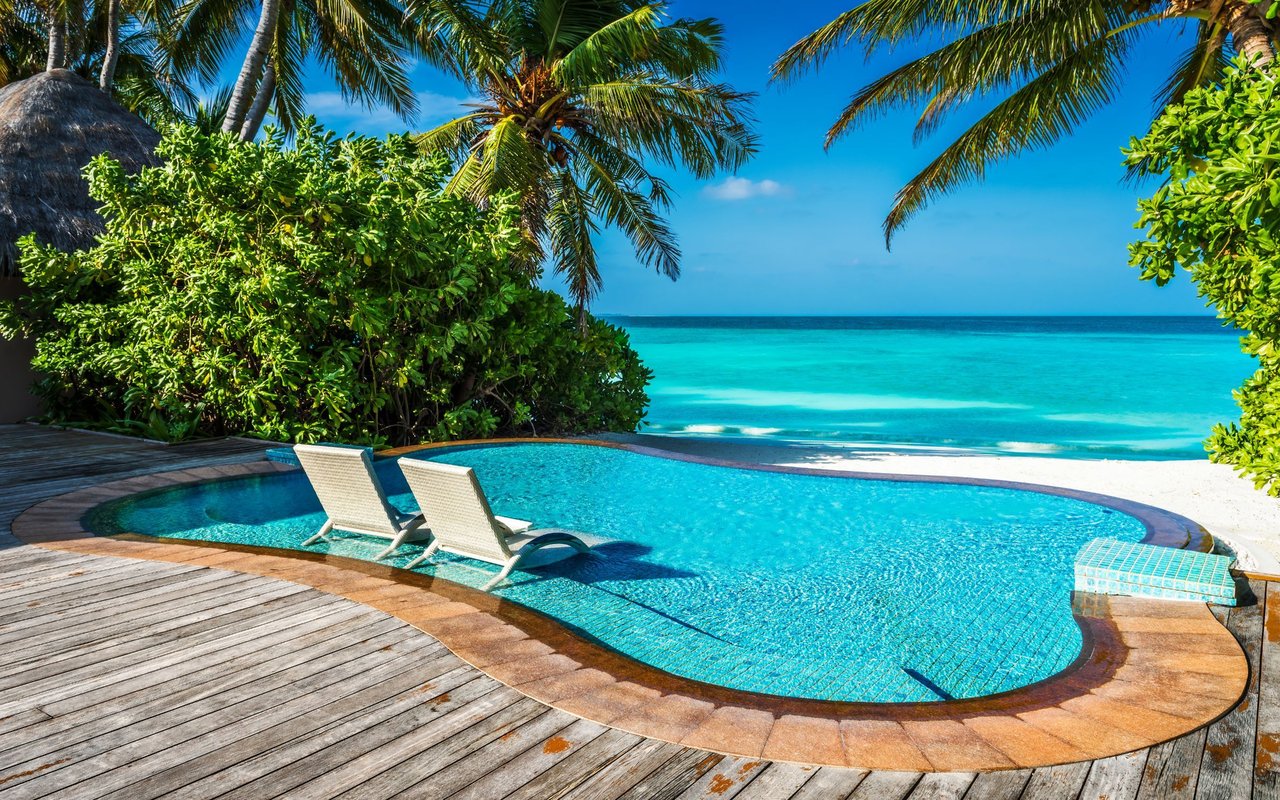
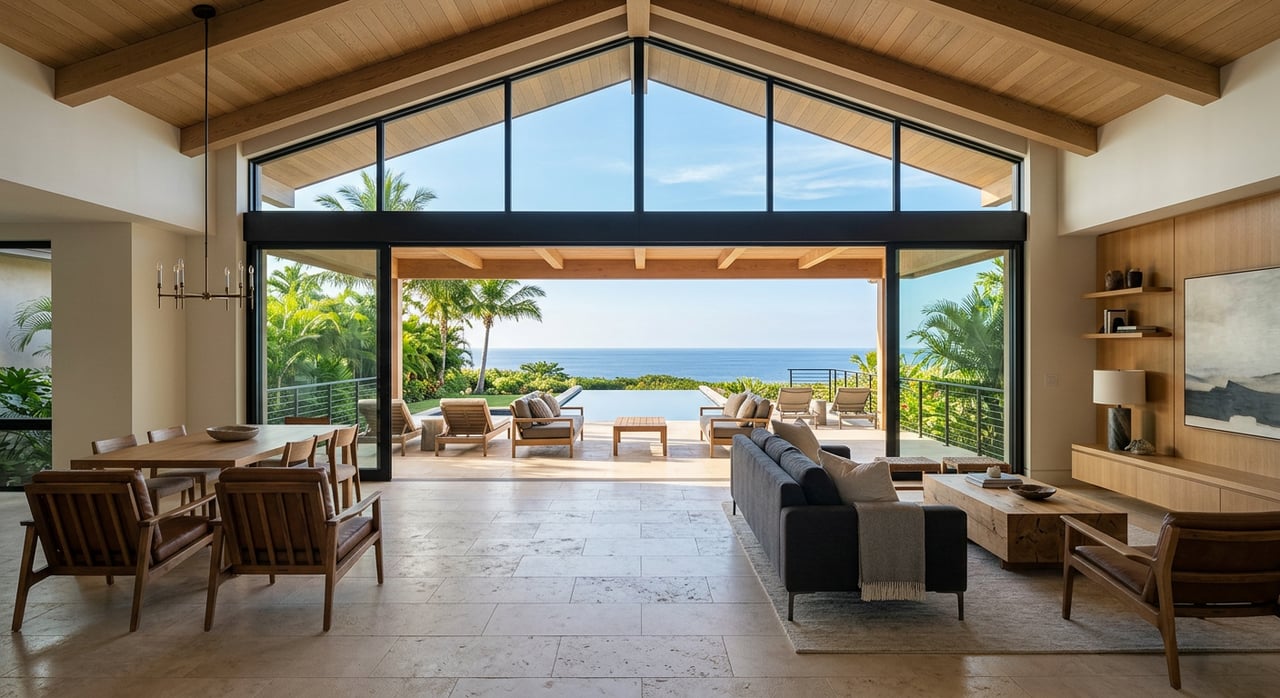
In Koko Kai, the view is the product. When buyers step into your home, they want uninterrupted ocean horizons, Koko Head’s silhouette, and a lanai that feels like a private perch above Maunalua Bay. If you are 6 to 18 months from listing, a thoughtful, view‑first plan can help you command stronger interest without committing to major renovations. In this guide, you will learn how to protect sightlines, stage the right spaces, time your photography, and prepare with a clear timeline and checklists. Let’s dive in.
Why Koko Kai needs a view‑first plan
Koko Kai sits on the lower slopes of Koko Head within the Hawaii Kai and Maunalua area of east Honolulu. Many homes enjoy sweeping panoramas of Maunalua Bay, Koko Head and Crater, the Koʻolau range, and, in some exposures, Diamond Head. If you are new to the area’s micro‑geography, the Maunalua Triangle and Koko Kai community map is a helpful orientation tool.
Pricing conversations in Koko Kai require care. The neighborhood is small, and only a handful of single‑family homes sell each month. This creates big swings in monthly medians. For realistic expectations, look at YTD or annual MLS snapshots and note the small sample size. You can review current Honolulu Board of REALTORS reports through the Oʻahu MSR dashboard.
Presentation matters even more in a view-driven market. In the National Association of REALTORS study, 81% of buyers’ agents said staging makes it easier for buyers to visualize a property as their future home, and agents emphasized photos, virtual tours, and video for listings. These buyer habits set the bar for Koko Kai homes. You can explore the findings in NAR’s 2023 Profile of Home Staging.
Protect sightlines that sell the view
Inside the home
The first rule is simple: let the view read clearly from your main rooms. Remove tall décor from window sills, keep bulky furniture away from windows, and angle seating to face the best outlooks. Tactical staging like this helps buyers lock onto the panorama the moment they enter. See practical staging strategies in this visual staging guide.
Declutter surfaces and reduce visual noise that competes with the ocean and ridge lines. A lighter, neutral palette photographs better and makes window walls feel larger. NAR’s data underscores that staging the living room, primary bedroom, and kitchen has the most influence on buyers, so start there. The NAR report is a useful reference for prioritizing rooms and budget in the 2023 staging profile.
In the landscape
If trees or hedges interrupt key sightlines, plan selective pruning with a licensed arborist. Before any major work, confirm association rules, city requirements, and permit needs. Start with your local association resources, like the Maunalua Triangle and Koko Kai community links, and consult broader urban forestry guidance on permits and best practices in this tree care overview.
NAR’s outdoor features research shows that REALTORS often recommend tree care, landscape maintenance, and lighting before listing. Even modest landscape edits can improve first impressions and restore view corridors. You can review the guidance in NAR’s Remodeling Impact Report: Outdoor Features.
Light, treatments, and glazing
In a view home, window treatments should support light and perspective, not block them. Replace heavy, room‑darkening drapes with neutral, light‑filtering options hung high and wide to make windows read larger. For privacy, consider dual roller shades or a sheer plus blackout combination that you can open fully for showings and photos. Practical staging tips for treatments appear in this stagers’ visual tricks article.
Hawaiʻi sun can bring heat and glare. Demonstrate functional solutions that buyers will appreciate, like layered shades or remote controls, while keeping curtains open during showings. The goal is to let the ocean, sky, and ridge lines lead.
Stage the right rooms, the right way
NAR’s research offers a helpful baseline for planning. The study found 81% of buyers’ agents said staging helps buyers visualize living there, and the median spend when sellers hired a stager was about $600 compared to $400 when the agent staged. Use these benchmarks to build a focused plan that concentrates on the living room, primary bedroom, and kitchen. See the full breakdown in NAR’s staging profile.
Design for clarity and flow. Favor low‑profile seating, minimal décor on sills, and a neutral palette that photographs well. Pull furniture away from sliding doors to emphasize indoor‑outdoor continuity to the lanai. Mirrors can reflect light or a sliver of ocean, but avoid placements that create confusing reflections in photos. For practical staging visuals, refer to this staging guide.
Elevate outdoor living and twilight appeal
Buyers in Koko Kai come for the lifestyle. Stage the lanai as a complete outdoor room with a dining vignette, lounge seating, and a simple rug to define space. NAR’s outdoor report notes that landscape upgrades, decks and patios, and landscape lighting are commonly recommended before listing and deliver solid homeowner satisfaction. Explore the specifics in the Outdoor Features report.
Warm, well‑placed lighting extends the lanai’s usable hours and elevates dusk photography. Twilight hero images are a hallmark of luxury listings because they showcase the home glowing against the evening sky. Consider up‑lights for palms, step lights for safety, and warm bulbs that read inviting in photos.
Photography that sells the view
Professional photography is an expectation in the upper tier, and it is essential for view homes. Agents in NAR’s staging research cited photos, virtual tours, and video as key listing components, which mirrors buyer behavior in the luxury segment. See the data in NAR’s 2023 staging study.
Plan for three distinct photo states: bright daytime, golden hour, and twilight. Work with your photographer on bracketed exposures or HDR blends that hold detail in bright ocean views while keeping interiors vibrant. A technical overview of these approaches appears in this real estate photography guide.
Schedule by orientation
Light shifts quickly on Koko Head’s slopes. East‑facing rooms often shine in the morning. West‑facing lanais and pools glow late afternoon into evening. Golden hour delivers warmer, softer light shortly after sunrise and before sunset, which minimizes glare and flatness. For timing and sun position, review golden hour principles in Adobe’s photography guide.
Aerials, done the right way
Aerials can frame your panorama and show context. Hire only FAA‑compliant commercial pilots with Part 107 credentials and confirm local park or launch restrictions in advance. You can verify standards at the FAA’s page for commercial UAS operators. If drone flights are restricted in your area, consider elevated exterior angles or permitted alternatives.
A 6–18 month prep timeline
12–18 months before listing
- Meet with a local listing agent to review comparable sales and set a presentation plan. Use this session to decide which rooms to stage and whether to stage physically or virtually. NAR’s study shows targeted staging spend can be modest yet effective, outlined in the 2023 staging profile.
- Book a licensed arborist to evaluate trees and hedges that affect views. Confirm any association and city permit needs before pruning. For a permitting overview, see this tree care and ordinance resource.
- Ask your agent for a photographer referral and reserve dates for both daylight and twilight sessions.
6–12 months before listing
- Execute selective landscape maintenance, add simple landscape lighting if budget allows, and fine‑tune outdoor seating areas. NAR highlights lighting and tree care as frequently recommended in the Outdoor Features report.
- Replace heavy window treatments with high, wide rods and light‑filtering shades. Test how your chosen textiles photograph, using samples in place. See practical tips in this staging techniques article.
- Declutter, pre‑pack nonessential items, and consider short‑term storage for bulky pieces that block sightlines. NAR’s staging profile can help you prioritize.
0–6 months before listing
- Deep clean, complete final staging, and shoot daytime photos first. Follow with golden hour and twilight to capture hero images and, if permitted, aerial context. Technical tips are outlined in this photography guide.
- Produce listing assets that emphasize view orientation, usable outdoor spaces, and key sightlines. NAR’s staging report reinforces the importance of robust photo and video packages.
Quick pre‑photo checklists
Interior checklist
- Clean all windows inside and out. Remove smudges and screens that dull clarity. Guidance on visual tricks appears in this staging article.
- Open curtains and blinds fully. Store heavy drapes to the side and confirm rods are mounted high and wide.
- Clear window sills and counters. Angle seating to face the view. NAR’s staging study backs the impact of strategic staging.
- For twilight, turn on warm interior lights and keep color temperatures consistent. See additional tips in this photography overview.
Exterior and lanai checklist
- Mow and edge where applicable, trim dead branches, and clear walkways. Stage the lanai with dining and lounge seating. NAR’s outdoor report encourages these simple upgrades in the Outdoor Features guide.
- Remove visible vehicles, tools, hoses, bins, and pet items. For visual staging tips, check this staging guide.
Photographer brief
- Capture bracketed exposures or HDR blends to balance bright views with interior light. Plan golden hour and twilight sets. Include at least one elevated or drone context shot if allowed. A technical primer is available in this pro tips article.
Legal and vendor checks
- Confirm any association guidelines that affect exterior work using the Maunalua Triangle and Koko Kai community resources.
- If pruning or removal is needed, secure an arborist’s plan and any required permits. See this urban forestry guide.
- For aerial photography, use a Part 107 certified pilot and confirm local launch restrictions. The FAA outlines standards for commercial operators.
Price positioning without the noise
Because Koko Kai is a small, high‑value submarket, monthly medians can be misleading. A single closing can swing the number dramatically. Anchor your pricing expectations to YTD or annual MLS snapshots, and pair that with a custom market analysis. For the latest MLS context, review the Oʻahu MSR reports and then work with a local expert to interpret them.
Bring it all together
Your best buyer is shopping for a feeling: open air, easy flow to the lanai, and a horizon that reads uninterrupted. Protect sightlines inside and out, stage the rooms that matter most, and plan photography around light and orientation. Follow the timeline and checklists, and you will present a Koko Kai view home that stands out in any market snapshot.
If you want a design‑savvy, tax‑aware plan tailored to your property and goals, let’s talk. With a background in luxury design and build, premium listing marketing, and coordinated 1031 and DST strategies in partnership with CPAs and wealth managers, Francein Hansen can help you prepare, position, and sell for a stronger after‑tax result.
FAQs
What should I prioritize when preparing a Koko Kai view home?
- Focus on clear sightlines to the ocean and ridges, stage the living room, primary bedroom, and kitchen, and schedule professional daylight, golden hour, and twilight photos to showcase the lifestyle.
Do I need approval to trim trees to open my view in Koko Kai?
- Yes, confirm association rules and city requirements first, then work with a licensed arborist on a minimal‑impact plan and any needed permits, using resources like the community map and urban forestry guidance for context.
When is the best time to photograph an east‑ or west‑facing Koko Kai home?
- East‑facing spaces typically look best in the morning, while west‑facing lanais and pools shine late afternoon into twilight, which aligns with golden hour guidance for warm, soft light.
How much should I budget for staging a luxury view listing?
- NAR reports a median of about $600 when sellers hire a stager and $400 when an agent stages, with actual costs varying by scope, rooms staged, and furniture needs in higher‑end homes.
Are drone photos allowed over Maunalua Bay or near Koko Head?
- Hire a Part 107 certified pilot and confirm any local park or launch restrictions in advance, and if drone use is limited, plan elevated ground‑based or twilight hero images as alternatives.