Trying to choose between Portlock and Koko Kai? If you are drawn to East Honolulu’s coastal lifestyle, these two Hawaiʻi Kai enclaves can both feel compelling at first glance. The difference is less about everyday convenience and more about how you want the land, water, and views to shape your daily life. If you want a clear side-by-side look at what sets them apart, let’s dive in.
Portlock and Koko Kai at a Glance
Portlock and Koko Kai sit within the broader Hawaiʻi Kai area, but they offer distinctly different settings. Portlock is oriented to Maunalua Bay and the marina side of Hawaiʻi Kai, while Koko Kai is more closely tied to the western slope of Koko Head and a rugged cliffside coastline.
If you are comparing the two, the core question is simple: do you want flatter shoreline living with a more direct relationship to the water, or do you prefer elevation, sweeping outlooks, and a more dramatic coastal edge? That lifestyle distinction shows up in the lots, streets, recreation, and overall feel of each neighborhood.
Portlock’s Coastal Setting
Portlock sits on the Maunalua Bay side of Hawaiʻi Kai, just east of the Hawaiʻi Kai Marina entrance channel. According to a City and County planning document on the Hawaiʻi Kai Marina area, Portlock Beach includes a 2,140-foot narrow sand beach, with residential properties inland and sections of nearby shoreline stabilized by revetments, seawalls, and low cliffs.
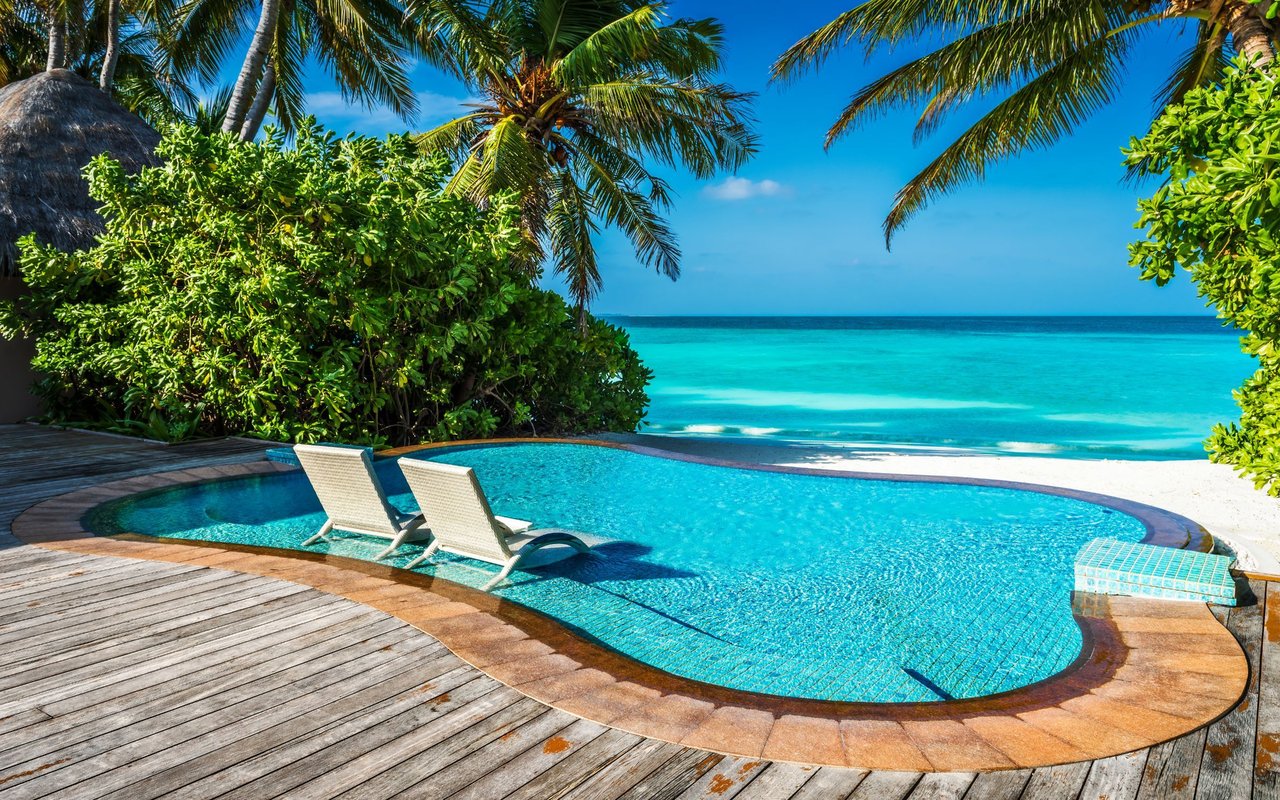
In practical terms, Portlock reads as the more water-connected and lower-lying option. The neighborhood’s relationship to the bay and beach is front and center, which can appeal to buyers who want the shoreline to feel close and present in everyday life.
What Portlock feels like day to day
Portlock tends to suit people who want a direct connection to boating, paddling, and shoreline activity. Because the neighborhood is relatively low-lying, the experience is less about being perched above the ocean and more about living alongside it.
That can create a more open, active waterfront feel. It can also mean more awareness of shoreline access points and beach use nearby, based on the shoreline-access context described in the planning materials.
Koko Kai’s Elevated Cliffside Character
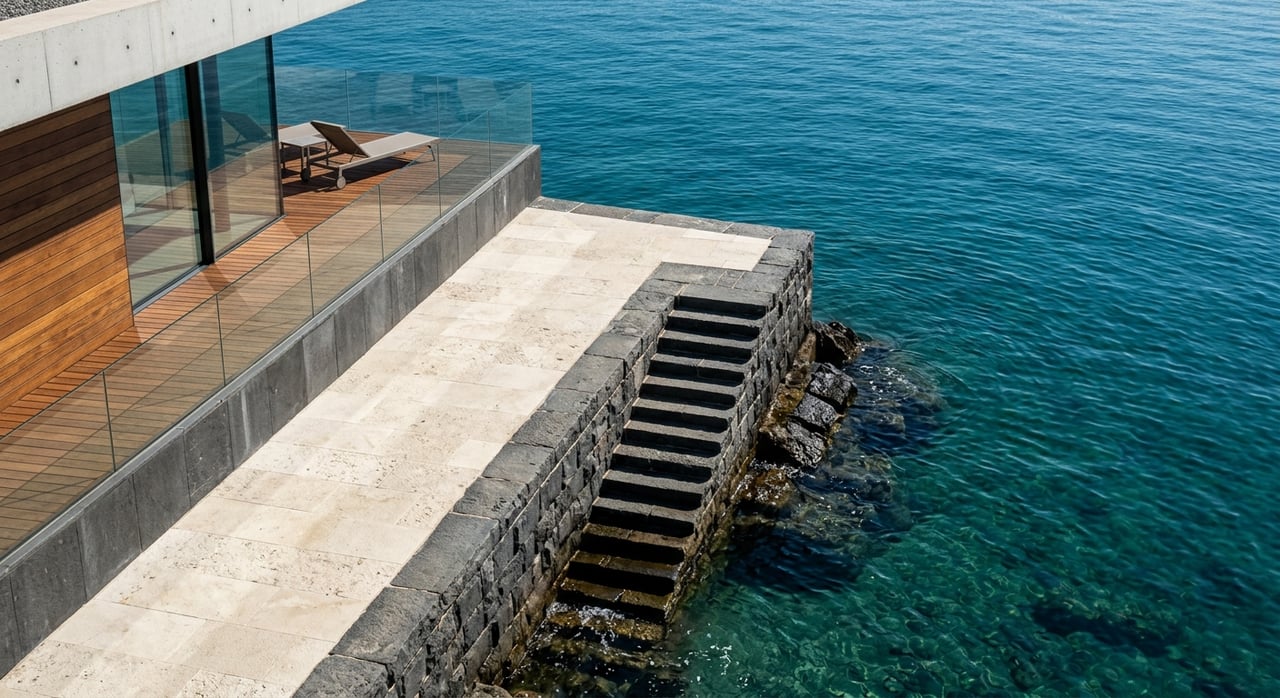
Koko Kai offers a different type of coastal setting. Official project materials describe Koko Kai Beach Park and the China Walls area as a small grassy area with no amenities and a rugged rocky coastline with stepped cliffs.
A community map from the Maunalua Triangle Koko Kai Community Association places Koko Kai on the western slope of Koko Head and highlights its broad views. That setting gives Koko Kai a more elevated, view-driven identity than Portlock.
What Koko Kai feels like day to day
Koko Kai is generally the better fit if you are drawn to outlooks, hillside positioning, and a more tucked-away feel. The sloping streets and cliffside geography often make the neighborhood feel shaped by terrain and horizon lines rather than by a flat beach edge.
For many buyers, that translates into a stronger sense of elevation and visual drama. Instead of a casual beach-oriented environment, the setting feels more like a scenic coastal overlook.
Lots, Elevation, and Privacy
One of the clearest differences between Portlock and Koko Kai is how the land sits. Research materials characterize Portlock as relatively low-lying, with parcels that relate more directly to the bay and beach interface than to steep inland slopes.
That often means flatter lots and a more immediate connection to shoreline living. If you value easy movement across the property, more level outdoor areas, or a closer relationship to the water, Portlock may align better with your priorities.
Koko Kai, by contrast, is more elevation-driven. The neighborhood map and site descriptions point to gently sloping streets, hillside placement, and long views toward Diamond Head, Maunalua Bay, the Koʻolau Mountains, and Koko Crater.
If your ideal home experience includes being above the coastline rather than right beside it, Koko Kai may feel more natural. While privacy varies by property, the neighborhood’s street pattern and topography can create a more tucked-away atmosphere.
Water Access and Recreation Style
If your lifestyle centers on getting on the water, Portlock has the stronger case. The Hawaiʻi Kai Marina documents describe the marina as supporting power boating, fishing, kayaking, sailing, water skiing, paddling, and swimming.
Those same materials note that Portlock Beach is used primarily by homeowners, while the public portion is used for swimming and fishing. For a buyer who wants convenient access to boating and bay-oriented recreation, Portlock is the more natural match.
Portlock recreation profile
Portlock may be a fit if you prefer:
- Boating and marina access
- Kayaking, paddling, or sailing nearby
- A shoreline setting with a more casual beach relationship
- Flatter coastal living tied to Maunalua Bay
Koko Kai offers a different recreational feel. Its appeal leans more toward scenery and rugged coastline than easy swim-beach use.
Official documents describe Koko Kai Beach Park as having no amenities, and they characterize China Walls as a rocky, stepped cliff area. The same source notes that the area is popular with surfers and cliff-jumpers, while emergency-response reports referenced in the research show repeated rescues when people entered the water in dangerous surf conditions.
Koko Kai recreation profile
Koko Kai may be a fit if you prefer:
- Dramatic ocean views
- A cliffside coastal environment
- A neighborhood shaped by scenery more than beach use
- A more rugged edge to the shoreline experience
Everyday Convenience Is Shared
When buyers compare luxury neighborhoods, they sometimes assume one will be much more convenient than the other. In this case, that is not the main separator.
Both Portlock and Koko Kai share the same larger Hawaiʻi Kai service network. Hawaiʻi Kai Towne Center lists retailers and services including Costco, Ross, City Mill, dining, banking, haircuts, a day spa, and medical and professional services. The research report also notes that Koko Marina Center offers more than 72 merchants, watersports, restaurants, and personal services, with nearby civic resources such as the Hawaiʻi Kai Public Library and Queen’s Health Care Centers in Hawaiʻi Kai.
What that means for your decision
Because both neighborhoods tap into the same errand and service ecosystem, your decision is less about where you can run daily errands and more about what kind of setting you return to at the end of the day.
If you want your home base to feel shoreline-centered and boating-oriented, Portlock stands out. If you want it to feel elevated, scenic, and shaped by cliffs and long views, Koko Kai has the edge.
Portlock vs Koko Kai Quick Comparison
| Feature | Portlock | Koko Kai |
|---|---|---|
| Overall setting | Lower-lying shoreline area | Elevated slope and cliffside area |
| Relationship to water | Direct bay and beach connection | More scenic and rugged coastal edge |
| Lot character | Often flatter-feeling parcels | More slope-oriented setting |
| Recreation style | Boating, paddling, swimming, fishing | Views, surf-zone scenery, rocky coastline |
| Neighborhood feel | Water-access focused | View-driven and dramatic |
| Daily convenience | Shared Hawaiʻi Kai services | Shared Hawaiʻi Kai services |
Which Lifestyle Fits You Best?
You may prefer Portlock if your priority is direct water access, flatter shoreline living, and a stronger connection to boating and bay recreation. It is the clearer fit if you want the coast to be part of your everyday routine in a practical, hands-on way.
You may prefer Koko Kai if your priority is elevation, outlook, and a more dramatic coastal setting. It is likely the stronger match if you want your home to feel shaped by views, hillside topography, and a rugged ocean edge.
For many buyers and sellers, this is ultimately a quality-of-life decision. Both neighborhoods benefit from the same Hawaiʻi Kai conveniences, so the better choice often comes down to whether you want your luxury experience to feel more beach-and-bay oriented or more elevated and view-forward.
If you are weighing a move, evaluating a sale, or thinking about how a property’s setting influences long-term value and presentation, connecting with a local advisor can help you compare the options with more clarity. Francein Hansen offers a refined, consultative approach for East Oʻahu homeowners and buyers who want strategic guidance grounded in lifestyle, design, and positioning.
FAQs
What is the main lifestyle difference between Portlock and Koko Kai?
- Portlock is more shoreline- and boating-centered, while Koko Kai is more elevated, view-driven, and shaped by a rugged cliffside setting.
Is Portlock or Koko Kai better for boating in Hawaiʻi Kai?
- Portlock is generally the better fit for boating-first buyers because of its close relationship to Maunalua Bay and the Hawaiʻi Kai Marina.
Does Koko Kai have an easy beach experience like Portlock?
- Koko Kai is more associated with rocky coastline, stepped cliffs, and scenic outlooks than with an easy sand-beach neighborhood feel.
Are Portlock and Koko Kai equally convenient for errands?
- Both neighborhoods share access to the same Hawaiʻi Kai retail, dining, and service areas, so convenience is similar.
Is Portlock or Koko Kai better for ocean views in East Honolulu?
- Koko Kai is generally the stronger match if your priority is elevation and broad coastal views.