If the sea is your backyard and the marina is your neighbor, Portlock might feel like home. Tucked along quiet coves at the edge of Hawaii Kai, this pocket of East Oʻahu is known for privacy, ocean views, and easy access to boating. You want a clear picture of daily life here, from beach routines to launch logistics and coastal planning. This guide walks you through what to expect, how to enjoy it safely, and the practical details that matter. Let’s dive in.
Portlock at a glance
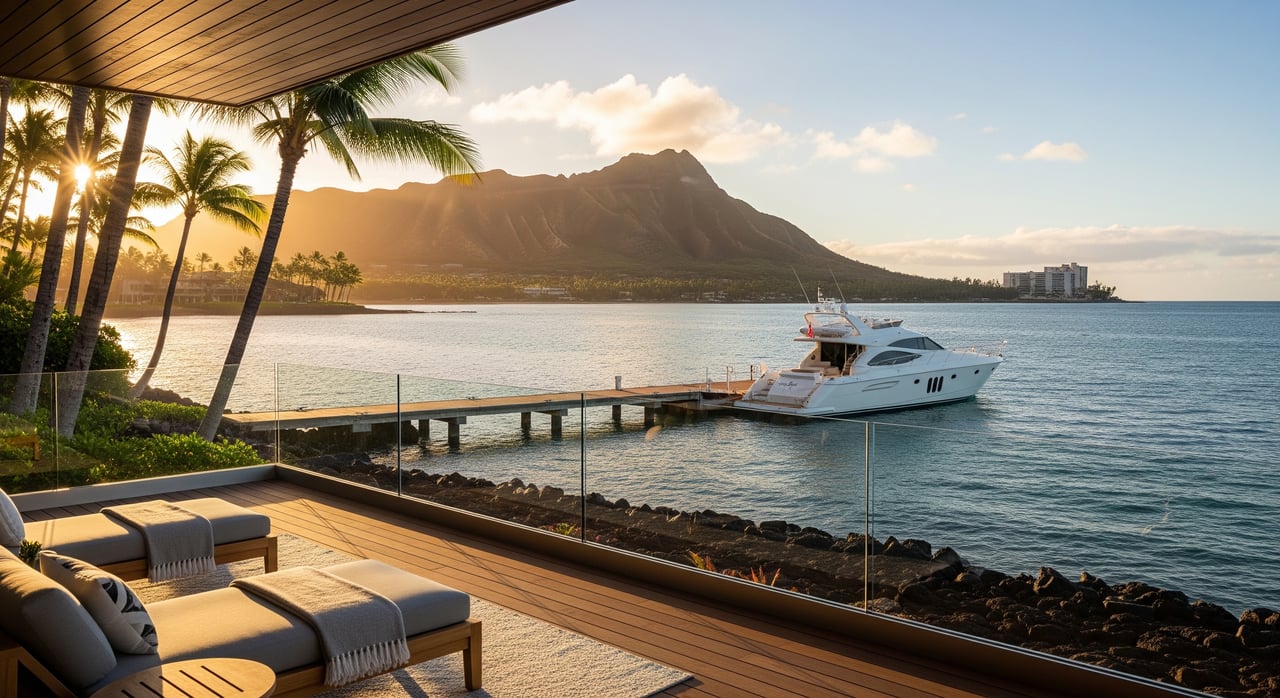
Portlock sits on rocky headlands and pocket coves near Koko Head and the Hawaii Kai corridor. It feels smaller and more secluded than the broader Hawaii Kai area. Streets are narrow and calm, with single-family homes that often orient toward the coastline and small, protected inlets. Many residents value the quiet setting and short drive to the marina and larger beaches.
Beach access and shore types
Portlock’s shoreline is a mix of small coves and rocky edges rather than long sandy beaches. Some coves can be reached from public roads, while others sit beside private lots or involve stair access tied to individual properties. For everyday beach days, you will often drive a short distance to bigger spots like Maunalua Bay, Sandy Beach, or the nearby preserve at Hanauma Bay.
What does that mean for your routine? Expect quick, scenic hops by car for long swims, family time, or surf. On calm mornings, you might snorkel a local cove or slip in for a short paddle. When the wind comes up, Maunalua Bay and the marina area offer more protected water options.
Boating life and Koko Marina
If you boat, Portlock’s biggest advantage is proximity to the marina. The nearby Koko Marina Center offers slips, fuel, service providers, and shore-side dining and retail. Many Portlock owners keep vessels there or launch for day trips across Maunalua Bay, reef fishing offshore, or coastal runs toward Diamond Head and Waikīkī.
For moorings and ramps, rules apply. The DLNR Division of Boating & Ocean Recreation manages mooring permits, launch protocols, and many boating regulations. Seasonal winds, parking limits at public ramps, and slip availability all affect convenience, so plan ahead if you are timing a purchase around keeping a boat nearby.
Snorkeling, paddling, diving, and surf
Hanauma Bay sits just up the road and is one of Oʻahu’s premier snorkel sites. It is a managed preserve with set entry procedures and reef-protection rules. Before you go, review the Hanauma Bay Nature Preserve guidelines.
Closer to home, calm days in Portlock’s small coves or the more protected pockets of Maunalua Bay can be suitable for short snorkels or paddle sessions. Divers often stage from the marina or larger beaches. While Portlock’s immediate shoreline has fewer sandy surf breaks, well-known reef and shore breaks are nearby at Sandy Beach and Makapuʻu. Always check conditions and be mindful that trade winds, currents, and swells can shift quickly.
Fishing and marine life
Shore fishing from rocky points and cove edges is a local practice, and boat-based reef or deep-water fishing often runs out of the marina. Marine rules are actively enforced. Some protected areas have gear or catch limits, and fishing can be restricted or prohibited in preserves like Hanauma Bay. Respect posted signs and state guidance to protect reef life and ensure a safe outing.
Encounters with reef fish and turtles are common in this part of Oʻahu. Visibility changes with swell and runoff, and you should always give wildlife space. Shark encounters in Hawaiian waters are rare but possible. Follow state safety recommendations and avoid murky water or dawn and dusk swimming when visibility is low.
Parks, trails, and nearby adventures
Hiking is part of the rhythm in East Oʻahu. Koko Crater and Koko Head trail systems are a short drive away, offering ocean overlooks and a solid workout. On relaxed days, Maunalua Bay is a popular zone for sailing instruction, paddleboarding, and easy water time when conditions are calm. Weekends can draw more visitors, so plan morning starts for parking and lighter winds.
Everyday conveniences
You will find groceries, services, and dining within the Hawaii Kai shopping centers along Kalanianaole Highway. The marina area concentrates many of the boat-related services you might need, from fueling to basic maintenance. Emergency services and schools draw from the broader Hawaii Kai network.
Living logistics and access
Portlock is reached from local roads that branch off the Hawaii Kai corridor. Commute times to downtown Honolulu are similar to other East Oʻahu neighborhoods and vary with traffic. On-street and guest parking can be tight on narrow cul-de-sacs, and boat trailers or overnight parking may face regulations. If you expect frequent visitors or deliveries, factor street layout into your day-to-day.
Coastal risks and planning
Coastal homes in Portlock can face storm surge, wave runup, erosion, and long-term sea-level rise. Risk levels vary by parcel elevation and shoreline geology. If you are evaluating a property, review FEMA flood designations, elevation data, and local planning resources. The interactive NOAA Sea Level Rise Viewer is a helpful starting point for big-picture planning.
Insurance is also a key consideration. Flood coverage and wind or hurricane premiums often run higher for oceanfront properties. If you are modeling total cost of ownership, include realistic allowances for insurance and long-term shoreline planning.
Home styles and upkeep
Portlock’s housing mix ranges from mid-century ranch homes to modern rebuilds. Many properties optimize outdoor living and view corridors toward the headlands and bay. Salt air and humidity accelerate wear, so budget for more frequent maintenance of exterior finishes, metal, and marine hardware.
Shoreline work, including seawalls or erosion control, requires permits and environmental review at the state and county levels. For coastal living guidance and stewardship best practices, the University of Hawaiʻi Sea Grant offers practical resources.
How Portlock compares nearby
- Versus Hawaii Kai overall: Portlock feels smaller and more private, with intimate coves rather than long public beaches. Hawaii Kai offers broader parks and more extensive commercial centers.
- Versus Kahala: Kahala has more continuous sandy shoreline and resort-adjacent amenities. Portlock focuses on small-cove privacy with quick access to the marina.
- Versus Kailua and Lanikai: Kailua and Lanikai feature wide sandy beaches and a strong wind and paddle culture. Portlock leans toward boating access and marina convenience, with less of a daily long-beach stroll scene.
Who Portlock fits
If you value calm streets, ocean views, and being minutes from a full-service marina, Portlock stands out. You can paddle at sunrise, run to the bay by mid-morning, and meet friends for dinner at the marina by sunset. If a daily sandy-beach walk is your top priority, consider pairing Portlock living with short drives to larger beaches.
Pro tips for buyers and owners
- Dial in your boating plan. Start with slip inquiries at Koko Marina Center and permit questions with the DLNR Division of Boating & Ocean Recreation.
- Prep for conditions. Learn seasonal wind and swell patterns before you set a daily paddle or snorkel routine.
- Map coastal risk early. Use the NOAA Sea Level Rise Viewer and consult flood designations during due diligence.
- Budget for upkeep. Salt air increases maintenance cycles for exteriors, fixtures, and marine gear.
- Know the rules. Review Hanauma Bay Nature Preserve guidelines and state fishing regulations before you go.
- Plan parking. Narrow streets and cul-de-sacs can limit guest and trailer parking; set house rules and schedules that work for your block.
Considering a sale or repositioning?
If you are exploring a sale, a tax-aware plan can protect more of your outcome. Francein’s concierge approach combines premium listing presentation with coordinated strategies like 1031 exchanges or Delaware Statutory Trusts in partnership with your CPA and wealth team. With a design and build background, she also advises on smart upgrades that can lift price and attract the right buyers.
Curious what today’s market would reward in your Portlock property? Connect with Francein Hansen to map your best next step.
FAQs
Are there public beaches in Portlock?
- Portlock has mostly small coves and rocky shoreline; for larger sandy beaches, residents drive to places like Maunalua Bay, Sandy Beach, or Hanauma Bay.
Where do Portlock residents keep boats?
- Most owners use nearby Koko Marina Center for slips, fuel, and services; permits and moorings are regulated by the DLNR Division of Boating & Ocean Recreation.
Is Portlock good for daily swimming and paddling?
- It can be, especially on calm days in protected pockets, but conditions vary; many residents head to larger beaches for consistent sandy entry and family-friendly water.
Can I install a private mooring in front of my home?
- Not without permits; moorings and in-water structures are regulated and require approvals from state and county agencies.
What coastal risks should I evaluate before buying?
- Review parcel elevation, FEMA flood zones, and long-term sea-level planning; the NOAA Sea Level Rise Viewer is a useful starting point.
How private is day-to-day living in Portlock?
- Many homes feel very private due to topography and vegetation, though nearby parks and marina activity can bring traffic and visitors at times.