
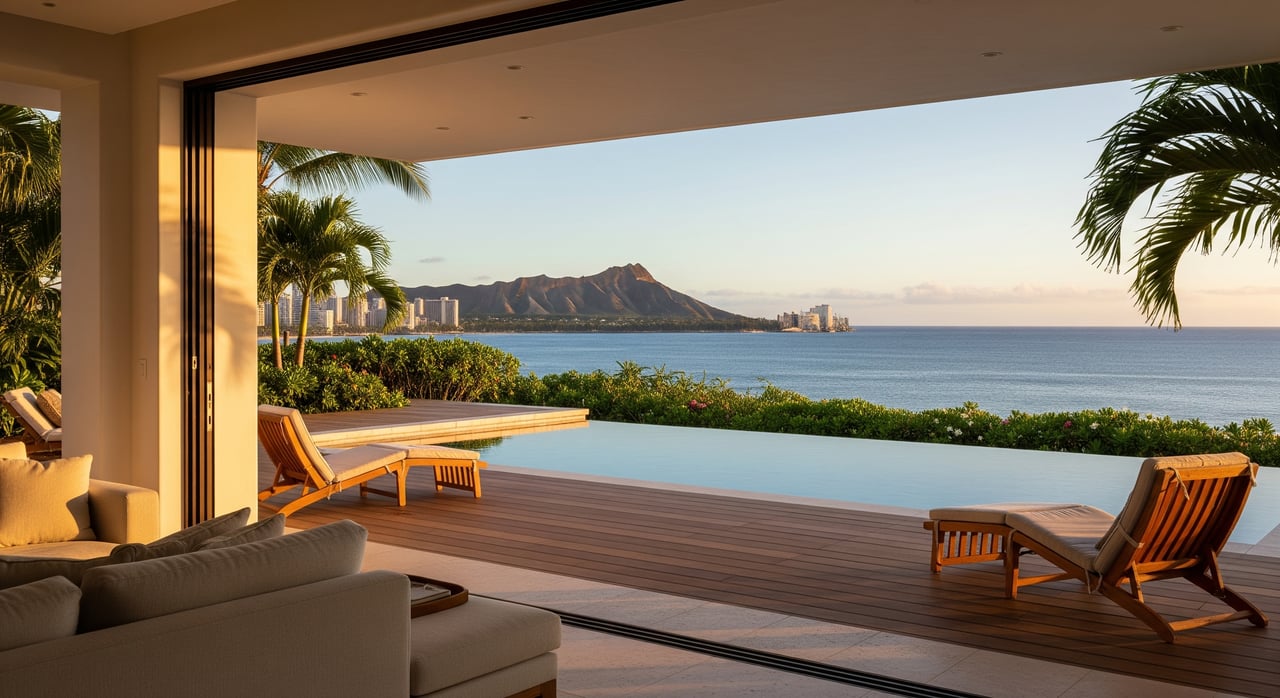
Thinking about a Honolulu home you use part-time, rent occasionally, or hold for the long run? You are not alone. Since the pandemic, second-home interest on Oʻahu has grown alongside tourism’s recovery and the rise of flexible work. In this guide, you will see how these trends shape prices, inventory, and opportunities in Honolulu, plus what to consider if you plan to buy, sell, or reposition a property. Let’s dive in.
Why second homes matter
Second-home demand touches everything from neighborhood character to pricing and rental availability. When more properties are purchased for part-time use, inventory for year-round residents tightens, and entry-level options can feel scarce. On Oʻahu, this shows up most in condo-heavy tourist zones and in sought-after single-family enclaves favored for retreat living.
For you as a buyer or seller, understanding how second homes interact with tourism, policy, and financing can help you time decisions and set clear expectations. Your plan should align with your intended use, the local rules, and your financial goals.
Where demand concentrates
Honolulu’s second-home activity tends to cluster in a few distinct zones:
- Waikiki and Ala Moana: Condo-dominant areas with strong tourist appeal and visible short-stay activity.
- Kakaʻako and Downtown: Mixed-use growth and urban convenience attract buyers who want city condos with amenities.
- East Honolulu: Higher-priced single-family neighborhoods such as Kahala and Hawaii Loa Ridge draw luxury second-home buyers.
- Windward and North Shore: Lifestyle and retreat markets like Kailua and Lanikai appeal to repeat visitors seeking privacy and beach access.
Each area comes with different ownership patterns. Condos near resort corridors may have more short-stay interest, while single-family districts see buyers focused on lifestyle and longer personal stays.
Price and inventory effects
When second-home and investor demand rises, the market often tightens for primary-residence buyers. The mechanism is simple: more competition for a limited number of units means fewer options and upward price pressure. In turn, some owners hold properties seasonally, which can lower the number of long-term rentals available.
If you plan to buy, be ready for paced but decisive offers in the most desirable pockets. If you plan to sell, understand that your buyer pool may include both lifestyle purchasers and investors, each with different valuation lenses.
Rental seasonality basics
Oʻahu has a dual-market dynamic. Properties can toggle between short-term rental use and long-term leasing, depending on regulations, HOA rules, and owner goals. Seasonal visitor patterns influence occupancy and revenue for short-stay rentals, while long-term leases depend on local demand from residents and the workforce.
Condo units in hotel or resort zones can have higher short-stay revenue potential but may face stricter rules and HOA restrictions. Single-family homes attract different renters and yields. Before you assume a specific rent model, verify what is actually permitted for your building and zoning district.
Buyer checklist
Thinking of purchasing a second home in Honolulu? Use this checklist to focus your due diligence.
- Confirm permitted use: Check zoning, City and County rules, and HOA bylaws to learn whether short-term or long-term rentals are allowed in your building or neighborhood.
- Model conservative cash flow: If you plan to rent, build scenarios with modest occupancy, realistic nightly or monthly rates, and full operating costs.
- Include all taxes and fees: Account for Hawaii’s Transient Accommodations Tax for short stays, General Excise Tax on rental income, property taxes for your classification, and any local surcharges.
- Plan for management: If you will not be on-island, factor in a reputable property manager, housekeeping, maintenance, and vacancy buffers.
- Price insurance early: Coastal properties may require flood and wind coverage. Secure quotes before you finalize your budget.
- Align financing with use: Second-home loans differ from primary-residence mortgages. Expect different down payment and rate structures, especially for non-owner-occupied properties.
- Clarify owner-occupancy: Understand how owner-occupied classification is defined for property tax purposes and any related benefits.
Seller playbook
If you are selling a Honolulu property that could appeal to second-home buyers, position it with both lifestyle and compliance in mind.
- Lead with lifestyle or legal income: If short-term rentals are allowed and properly registered, show verifiable income and booking history. If not, highlight privacy, design, and proximity to beaches or amenities.
- Disclose early and clearly: Provide HOA documents, any registration or permit records, and known restrictions. Buyers often ask for proof of compliance.
- Invest in durable upgrades: Finishes that stand up to guest use and coastal conditions can reduce maintenance and increase appeal.
- Consider exit strategy timing: If you hold investment property, evaluate tax-aware options such as a 1031 exchange or a Delaware Statutory Trust to move from active management to passive income. Coordinate with your CPA and qualified intermediaries.
- Present impeccably: High-level photography, staging, and design-forward presentation can widen your buyer pool and lift perceived value.
Rules, taxes, compliance
Honolulu property use is shaped by two layers of oversight: City and County ordinances and State of Hawaii tax requirements.
- Short-term rental rules: Know whether your zoning allows short-term rentals and what registration or permits are required. Distinguish between whole-unit and owner-occupied allowances and confirm any minimum-stay rules.
- Taxes on rental activity: Short-stay operators must register and remit the Transient Accommodations Tax. Rental income is generally subject to the General Excise Tax. Confirm filing requirements and any county-level add-ons.
- Property tax classification: Owner-occupied and non-owner-occupied classes are treated differently. Your classification affects the effective tax bill and may depend on how you use the property.
- Keep records: Maintain documentation for intended use, permits, and tax filings. Lenders, insurers, and buyers often request proof of compliance.
Regulations evolve. Before you buy or list, verify current rules with the City and County of Honolulu and the State of Hawaii. Work closely with your CPA for tax planning suited to your situation.
Financing and insurance
Financing for second homes differs from primary residences. Lenders typically require larger down payments, price rates differently, and may have stricter qualification standards for non-owner-occupied properties. Rate cycles also influence affordability and demand.
Insurance is another key variable. Coastal exposure can affect availability and premiums, and some homes may require flood or windstorm coverage. Engage insurers early and ask about risk mitigation such as shutters, landscaping that reduces wind exposure, and elevation considerations.
When a property includes short-stay rentals, underwriters will want to see that your intended use complies with local rules and HOA policies. Keep your paperwork organized to avoid delays.
Community considerations
Second-home ownership intersects with community goals for affordability and neighborhood stability. In some areas, increased second-home concentration can reduce long-term rental supply and support higher rents. Neighborhood associations and city enforcement aim to balance tourism with resident quality of life.
Being a good neighbor matters. Clear house rules, parking guidance, quiet hours, and trash schedules help reduce friction. Choosing a professional, locally informed property manager can also improve outcomes.
Work with Francein
If you want a second home that works for both your lifestyle and your balance sheet, you need an advisor who can connect design, compliance, and strategy. With a background in luxury design and build, plus advisory on 1031 exchanges and Delaware Statutory Trusts, I help you align the property’s aesthetics with its most tax-efficient path.
Whether you are buying a retreat in East Oʻahu, selling a luxury residence in Kahala, or repositioning a condo in Waikiki, we will map your options, coordinate trusted professionals, and execute with precision. When you are ready for a calm, well-orchestrated plan, connect with Francein Hansen.
FAQs
Can I operate a short-term rental in Honolulu?
- Check your zoning, City and County registration or permit requirements, and HOA rules, then confirm state tax registration, since compliance is essential before marketing any short-stay rental.
How do taxes differ for second homes in Honolulu?
- Short-stay rentals generally require Transient Accommodations Tax and General Excise Tax filings, while property tax classification varies by use; consult your CPA to structure filings and deductions correctly.
Which neighborhoods see the most second-home demand in Honolulu?
- Activity concentrates in Waikiki, Ala Moana, Kakaʻako, and Downtown for condos, and in East Honolulu, Windward areas like Kailua and Lanikai, and parts of the North Shore for single-family retreats.
What should second-home buyers budget beyond the purchase price?
- Include HOA dues, TAT and GET if renting, property taxes based on classification, property management fees, maintenance, utilities, and coastal insurance such as flood or wind coverage.
How do lenders treat second-home financing?
- Expect higher down payments and distinct rate pricing versus primary residences, with stricter standards if the property will be non-owner-occupied or used for short-term rentals.
What can sellers do to appeal to second-home buyers?
- Emphasize verifiable rental compliance and income when allowed, or highlight design, privacy, and location; provide clear disclosures and consider tax-aware exits like 1031 exchanges or DSTs with your CPA.