
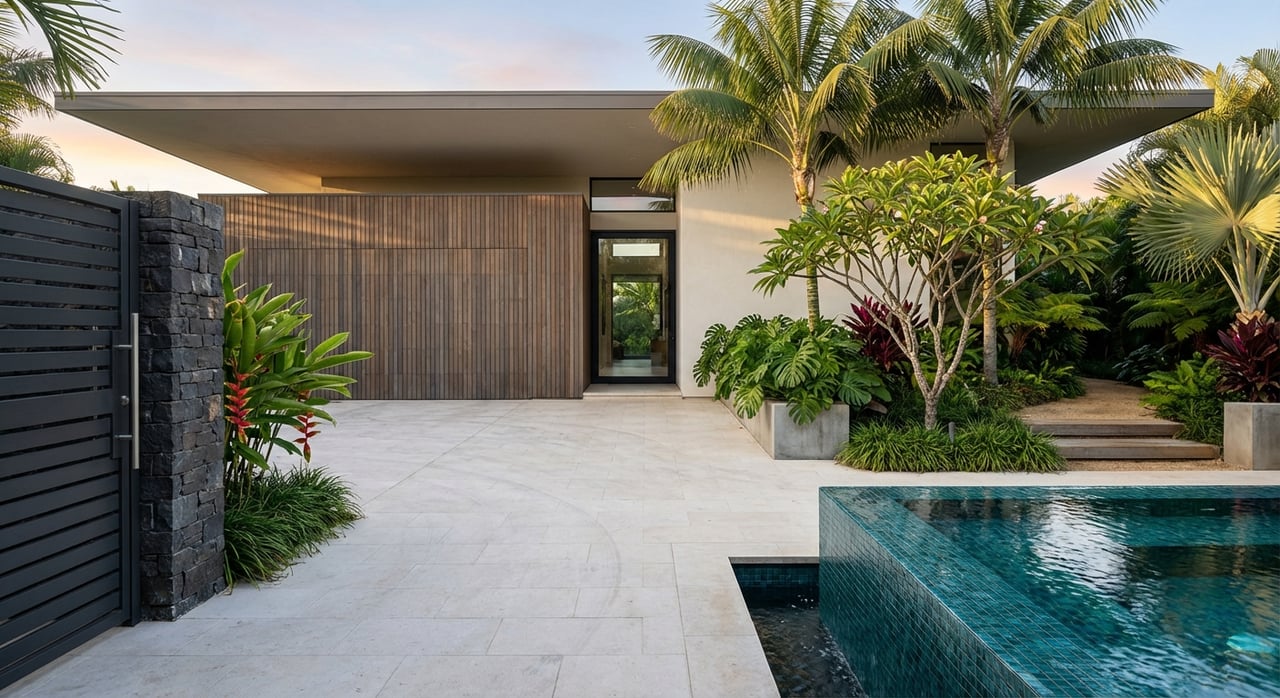
Wake up above the city, watch the ocean shift from cobalt to turquoise, and feel the trade winds cool your lanai. If you are weighing beachfront, a luxury condo, or a hillside estate, choosing the right fit can feel complex. In this guide, you’ll see why buyers gravitate to Hawaii Loa Ridge, what daily life looks like, and the key rules, costs, and checks to factor into your decision. Let’s dive in.
Where Hawaii Loa Ridge sits
Hawaii Loa Ridge is a private, gated community in East Honolulu on the southern flank of the Koʻolau Mountains. The owners association notes about 557 homesites that rise from near sea level to roughly 1,000 feet in elevation, with private roads and common areas cared for by the HOA. You are close to Honolulu’s core, with commonly cited drive times of about 10 to 25 minutes to key destinations depending on traffic. You can explore the association’s overview and amenities on the official site at the Hawaii Loa Ridge Owners Association.
Why buyers choose the Ridge
Privacy and controlled access
If privacy matters, the Ridge’s formal gate, resident decals and access cards, and private roads set it apart. The association operates a guarded entry and mobile security patrols, and it sets procedures for guests, real estate showings, and contractors. You can review the access framework in the HLROA rules.
Elevated panoramas and view planning
Lots are oriented to capture wide ocean and coastline views, often framing Maunalua Bay, Diamond Head, and Koko Head. Architectural plans typically open living areas to the horizon, which is a major part of the Ridge lifestyle. The association also manages designated “view channels” and neighbor guidelines intended to help preserve sightlines; buyers should confirm what applies to a specific lot in the latest HLROA newsletter and materials.
Trails and outdoor access
The Ridge provides regulated access points to popular ridgeline hikes. Hikers must register at the gate, show Hawaiʻi state or military ID, sign a waiver, and follow limits on parking and pass availability. Some interior wilderness areas are for owners and escorted guests only. For details, start with the association’s hiker access guidance.
Community amenities and culture
You will find tennis courts, the Ridge Club, parks and picnic stations, and association-managed open space. Community life includes newsletters, social gatherings, and volunteer committees that keep standards and budgets front and center. For current programming and governance updates, see the HLROA newsletter.
Daily life and convenience
You live above it all yet remain close to town. Typical marketing guidance cites 10 to 25 minutes to Waikīkī or downtown, depending on traffic, and a short drive to Kahala shopping and the airport; always confirm your commute during peak hours. For a quick neighborhood snapshot, visit the HLROA site.
Ridge microclimate
Elevation changes the feel. Trade winds are stronger, and orographic clouds can bring more mist and occasional fog compared with shorefront neighborhoods. The flip side is cooling breezes and lush vegetation. The National Weather Service explains the island’s trade-wind and mountain effects in its Honolulu climate resources.
Ridge vs beachfront vs urban condos
Privacy and public access
- Ridge: Controlled access and private roads create a high degree of neighborhood privacy under clear HOA rules.
- Beachfront: You enjoy direct shoreline access, but public beaches and parks near oceanfront areas tend to bring more public activity.
- Urban condos: You trade a private lot for security-staffed buildings and amenity decks in a vertical setting.
Views and orientation
- Ridge: Wide-angle ocean, coastline, and landmark views from higher elevation, often maximized through terraced yards and large lanais.
- Beachfront: Immediate water contact and shoreline experience take center stage.
- Urban condos: City, harbor, and partial ocean views pair with walkability and services.
Lots, structures, and maintenance
- Ridge: Low-density, custom homes on sloped parcels that may need engineered foundations and retaining systems.
- Beachfront: Flat lots and shoreline regulations shape what you can build or improve.
- Urban condos: Building HOA covers most exterior maintenance, but you have less private land.
Lifestyle trade-offs
A ridge home typically trades beach-at-your-doorstep living for privacy, elevation, and estate-like outdoor space with association amenities. Beachfront prioritizes direct ocean access and the sound of the surf over height and seclusion. Urban luxury condos optimize convenience, services, and walkability while giving up a yard and private lot.
What to know before you buy
HOA, rules, and rentals
Hawaii Loa Ridge allows leasing with important limits. The current rules state a minimum rental term of at least 30 days, plus tenant registration and vehicle decal procedures. Review the HLROA rules and any CC&R updates so your plans align with community standards.
Budgets, reserves, and governance
Assessments fund private roads, parks, the clubhouse, security, and reserves for long-term upkeep. The association communicates budget planning and CC&R reviews through newsletters and meetings. During due diligence, request the HOA budget, reserve study, and recent minutes; the February 2025 newsletter outlines recent planning touchpoints.
Site and construction on a slope
Sloped lots often mean geotechnical studies, engineered foundations, drainage design, and retaining walls. These site-specific needs can increase project timelines and budgets compared with flat parcels. Industry guidance recommends obtaining a geotechnical report early and carrying a site contingency for unknown subsurface conditions. For a practical overview of slope-related planning, see this construction planning guide.
Microclimate and view reliability
Elevation brings cooling breezes and changing cloud cover. You will want to confirm sightlines and sun angles at different times of day and across seasons. Walk the property during trade-wind days and at sunset to understand real-world view conditions.
Insurance and hazards
Ridge homes are typically outside immediate coastal flood and tidal zones, but every parcel is unique. Ask your insurer and escrow team to help you verify flood designations, drainage patterns, and any landslide susceptibility. Review permits and disclosures with your agent to understand historical work on the lot.
Utilities and infrastructure
Confirm water, sewer, and underground service lines during due diligence and note any easements that affect building plans. The association maintains private roads and parks and publishes operational rules for access and guests. You can verify community procedures on the HLROA website.
Market signals and pricing context
Hawaii Loa Ridge is a small, high-end community, so public price snapshots often vary due to limited sales and shifting inventory. Recent years have seen closed sales span from the low millions to the mid single-digit millions for larger renovated homes, with custom estates marketed well above that. Rather than rely on a single data point, review current, property-level comparables for view quality, lot position, age of improvements, and sitework. A focused analysis will help you weigh value against build quality and setting.
Buyer checklist for Hawaii Loa Ridge
- Confirm the lot’s view channels and any neighbor-to-neighbor sightline policies in the most recent HOA materials.
- Review the rental rules, tenant registration, and guest access procedures to match your lifestyle.
- Walk the home at different times and in different weather to gauge wind, clouds, and sunset angles.
- Drive your commute during peak hours to test real-world timing.
- Order a geotechnical report before major renovations or a new build and plan for engineered foundations or retaining solutions.
- Verify utilities, easements, and drainage.
- Request the HOA budget, reserve study, and meeting minutes to understand upcoming projects.
- Learn the hiker access rules if you plan to host active guests and use the ridgeline trails.
- Complete property-specific hazard checks with your insurer and escrow team.
Work with a local advisor
Choosing Hawaii Loa Ridge is about more than a view. You are balancing privacy, elevation, HOA standards, and site-specific construction realities that shape long-term value. If you want design/build insight, market context, and a plan that optimizes your net outcome, connect with Francein Hansen to start a strategy session tailored to your goals.
FAQs
How does Hawaii Loa Ridge gate access work for residents and guests?
- The association operates a guarded gate, issues decals or access cards, and requires visitor registration under published procedures in the HLROA rules.
What are the rental rules in Hawaii Loa Ridge?
- Current HLROA rules set a minimum lease term of at least 30 days and require tenant registration; always review the latest CC&Rs before leasing.
What should I know about ridge hiking from the community?
- Hikers must register at the gate, show Hawaiʻi state or military ID, sign a waiver, and follow limits on parking and pass availability; some interior areas are owner-only or require an escort.
Are views guaranteed when I buy a Ridge home?
- The HOA manages designated view channels and neighbor guidance, but protection depends on recorded rules for each property; confirm maps and any pending CC&R updates during due diligence.
What added costs come with a sloped lot in Hawaii Loa Ridge?
- Expect potential geotechnical studies, engineered foundations, drainage, and retaining walls, which raise sitework budgets compared with flat parcels; plan a contingency.