
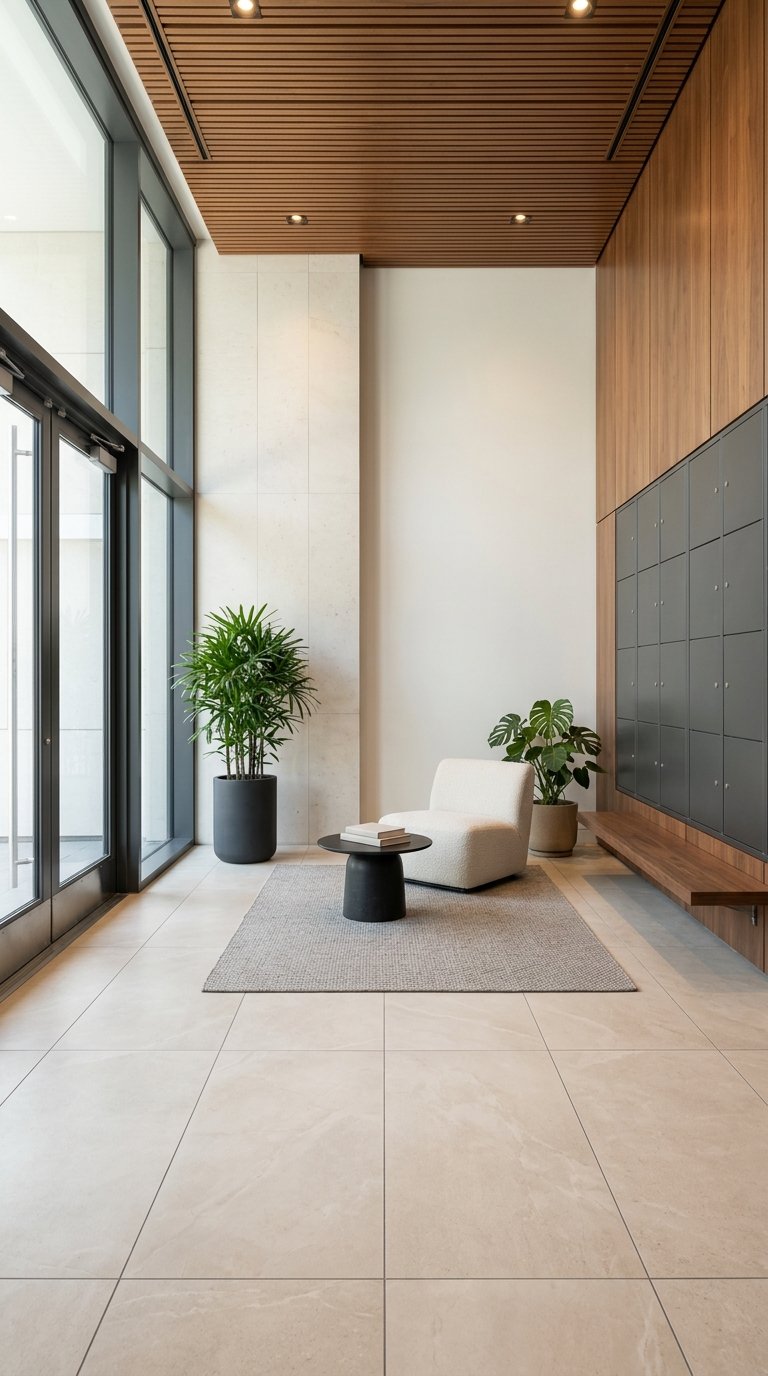
If you want a Honolulu home you can enjoy for part of the year, Kakaʻako deserves a close look. For many second-home buyers, the goal is simple: easy arrivals, low-friction living, and a neighborhood that feels active even when you are only in town for a short stay. This guide will show you why Kakaʻako stands out, what to verify before you buy, and which details matter most for a true lock-and-leave condo. Let’s dive in.
Why Kakaʻako fits part-time living
Kakaʻako is a 600-acre district shaped by the Hawaiʻi Community Development Authority as a pedestrian-oriented urban community with housing, shopping, entertainment, culture, and open space. That matters if you want more than just a condo tower. It means the neighborhood is designed to support daily life without making every errand feel like a production.
For part-time Honolulu residents, that mix can be especially appealing. You may want a home base that feels connected and convenient from day one, rather than a property that requires constant setup each time you return. Kakaʻako offers that urban-home-base feel better than many condo areas that are more isolated or less walkable.
Outdoor access also adds to the appeal. HCDA says it has developed about 46 acres of park land in Kakaʻako, including Kakaʻako Waterfront Park, Kakaʻako Gateway Parks, Kewalo Basin Park, and Kolowalu Parks. You are also near Ala Moana Beach Park and Magic Island, which gives you quick access to open space without giving up a central Honolulu location.
What makes Kakaʻako convenient
Walkability supports short stays
When you live in Honolulu part-time, convenience becomes a major quality-of-life issue. The easier it is to walk to dining, shopping, parks, and daily needs, the less you have to coordinate parking, traffic, and car use every time you are in town.
That is one reason Kakaʻako stands out. Official project pages and neighborhood descriptions consistently present the area as a mixed-use urban district where people live, work, shop, dine, and visit in close proximity. For a second-home owner, that can make a short stay feel smoother and more spontaneous.
The district’s connectivity has also improved. Ward Village states that its shops are about a mile from SALT at Kakaʻako, Ala Moana Center, and Ala Moana Beach Park, and the Ala Moana Boulevard pedestrian bridge opened in 2025 to create a safer grade-separated connection between Kakaʻako and Ala Moana Beach Park and Kewalo Basin. That kind of infrastructure matters when you want your neighborhood to function well on foot.
Amenities can reduce friction
For a part-time resident, the right building amenities are not just nice extras. They can make the condo feel ready to use with less planning and less hassle.
Recent official Kakaʻako project pages highlight amenities such as recreation decks, splash pools, barbecue areas, community gardens, multipurpose rooms, workspaces and lounges, bike and surfboard storage, car-sharing, private movie theaters, fitness centers, dog parks, co-working spaces, event lounges, and Wi-Fi-enabled meeting areas. You may not need all of them, but the right mix can make short stays more comfortable and flexible.
If you split time between Honolulu and another home, think about which features you will actually use. A fitness center, secure package handling, lounge space for guests, and practical storage may matter more than a long list of flashy amenities. The best fit is often the building that supports how you live, not the one with the longest brochure.
What to verify before buying
Kakaʻako can be a strong match for second-home ownership, but not every building works for every buyer. In Hawaii, condominium ownership is governed by the declaration, bylaws, house rules, and other association records. That means the details that affect your day-to-day use are usually found in the documents, not in the marketing.
For part-time buyers, this step is critical. A condo that looks ideal online may have occupancy requirements, parking limitations, lease rules, or management issues that make it less practical than it first appears. Careful document review is what turns a good-looking option into a smart purchase.
Check occupancy and eligibility rules early
Some Kakaʻako projects are subject to reserved-housing rules that are not a fit for every second-home buyer. HCDA says its reserved-housing program is for Hawaii residents earning 80 to 140 percent of area median income and can require a minimum occupancy period. HHFDC’s Ililani page also states that eligible purchasers must be Hawaii residents, must not own a majority interest in another fee-simple or leasehold property, and must agree to live in the unit.
If you are a mainland or international buyer, or you plan to use the property as a part-time residence, this is one of the first items to screen. It is much better to rule out a building early than to spend time on a property that does not match your ownership goals.
Review condo documents carefully
The Hawaii Department of Commerce and Consumer Affairs recommends reviewing the declaration, bylaws, house rules, current annual budget, reserve study, audit, and board or association minutes before buying. Those records help you understand how the building operates and whether it is well positioned for an owner who is not there full-time.
You should also ask about the property or site manager, the association attorney, special assessments, planned capital improvements, delinquencies, recalls, collections, lawsuits, and insurance claims. These are not minor details. They can affect your costs, your use of the property, and your confidence in the building’s management.
A title report is also worth requesting as part of your diligence. DCCA notes that a title report can reveal easements, covenants, conditions and restrictions, agreements, and liens that may materially affect the use or value of the unit.
Understand records timing if buying remotely
If you are purchasing from the mainland or overseas, build document review into your timeline early. DCCA says association records are generally to be provided within 30 days of a written request, and associations may charge reasonable copy fees or require a good-faith affidavit for some documents.
That timing matters. For a remote buyer, waiting until the last minute can create stress and limit your ability to review the details that matter most.
Parking and access matter more than you think
Part-time owners often focus first on views, finishes, and amenities. Those are important, but the practical side of ownership can have a bigger impact on how easy the home is to use.
Parking is a good example. A nearby parking garage may be useful for guests or quick visits, but it does not replace understanding the rights attached to your unit. SALT at Our Kakaʻako offers an automated multi-level parking structure with the first hour free and validation-based rates after that, which is helpful neighborhood context, but your condo’s own parking arrangement still needs to be confirmed.
The key questions are project-specific:
- Is the stall deeded, assigned, leased, or shared?
- Are there guest stalls?
- Is EV charging available?
- Are there vehicle-height limits?
- Is there bike or surfboard storage?
These details should be confirmed in the condo documents because parking and use rights are established by the project’s governing records. If you are only in town part of the year, clarity here can save you a lot of frustration later.
Transit expectations in Kakaʻako
It is also important to stay realistic about rail access. HART says Skyline currently operates from East Kapolei to Middle Street, while the City Center phase is under construction toward Civic Center in Kakaʻako. The final Kakaʻako and Ala Moana stations are being deferred to a separate project phase.
In simple terms, you should not assume rail service is already complete in Kakaʻako. Transit improvements may be part of the area’s long-term appeal, but your current buying decision should be based on the neighborhood as it functions today.
A smart touring checklist for part-time buyers
Whether you tour in person or buy remotely, a lock-and-leave condo needs a different level of review than a primary residence. You are not just buying square footage. You are buying ease, predictability, and confidence.
Use this checklist as you evaluate options:
Core items to request
- Declaration
- Bylaws
- House rules or policies
- Current annual budget
- Reserve study
- Audit
- Recent board or association minutes
- Most recent title report
Key lock-and-leave questions
- How does the building handle access control and guest entry?
- What is the process for deliveries and package storage?
- Is there after-hours security?
- What is the maintenance-fee history?
- Are fee increases or special assessments likely?
- Are there planned capital projects?
- Could nearby construction affect noise, parking, or access?
- Do house rules set minimum lease terms, pet rules, guest policies, or rental limits?
These questions help separate a condo that looks good on paper from one that truly works for part-time ownership.
The bottom line on Kakaʻako condos
Kakaʻako is a strong option if you want a Honolulu home base with newer amenities, nearby parks, and an urban lifestyle that feels easy to step into. The neighborhood’s pedestrian design, mixed-use layout, and growing connections to nearby shopping and waterfront spaces all support that goal.
The main tradeoff is that condo-specific diligence matters a lot here. Occupancy restrictions, parking rights, association health, and ongoing development can all shape whether a building is a fit for your plans. If you approach the search with those details in mind, you can identify the difference between a beautiful condo and a practical second home.
If you want a thoughtful second-home strategy in Honolulu, working with an advisor who can help you evaluate both lifestyle fit and the finer points of ownership can make the process far smoother. To explore whether Kakaʻako or another Oʻahu neighborhood fits your goals, schedule a strategy session with Francein Hansen.
FAQs
Is Kakaʻako a good area for a part-time Honolulu condo?
- Kakaʻako can be a strong fit for part-time living because it offers a pedestrian-oriented urban setting, newer condo inventory, nearby parks, and a wide mix of shopping, dining, and recreation.
What should part-time buyers review in Kakaʻako condo documents?
- Part-time buyers should review the declaration, bylaws, house rules, annual budget, reserve study, audit, board minutes, and title report, along with any information about assessments, insurance claims, and planned capital projects.
Are all Kakaʻako condos available for second-home buyers?
- No. Some projects are subject to reserved-housing rules or occupancy requirements, so buyers should verify eligibility and use restrictions early in the process.
Is rail service already complete in Kakaʻako, Honolulu?
- No. HART says Skyline currently runs from East Kapolei to Middle Street, with the City Center phase under construction toward Civic Center and later Kakaʻako and Ala Moana stations deferred to a separate phase.
What parking questions matter most for Kakaʻako condo buyers?
- Buyers should confirm whether parking is deeded, assigned, leased, or shared, and ask about guest parking, EV charging, vehicle-height limits, and bike or surfboard storage.
What features make a Kakaʻako condo easier for lock-and-leave ownership?
- Features that can help include secure access control, package handling, practical parking, useful storage, strong building management, and amenities that support short stays with minimal setup.