Torn between palm-lined privacy and an urban, walkable scene? Deciding between Kahala, including hillside enclaves like Kahala Kua, and Kakaʻako often comes down to daily rhythm and the way you want to live. You want clarity that respects both lifestyle and long-term value. In this guide, you’ll see how each neighborhood feels, what types of homes you’ll find, and the practical tradeoffs that matter when you buy or sell in Honolulu. Let’s dive in.
Kahala snapshot
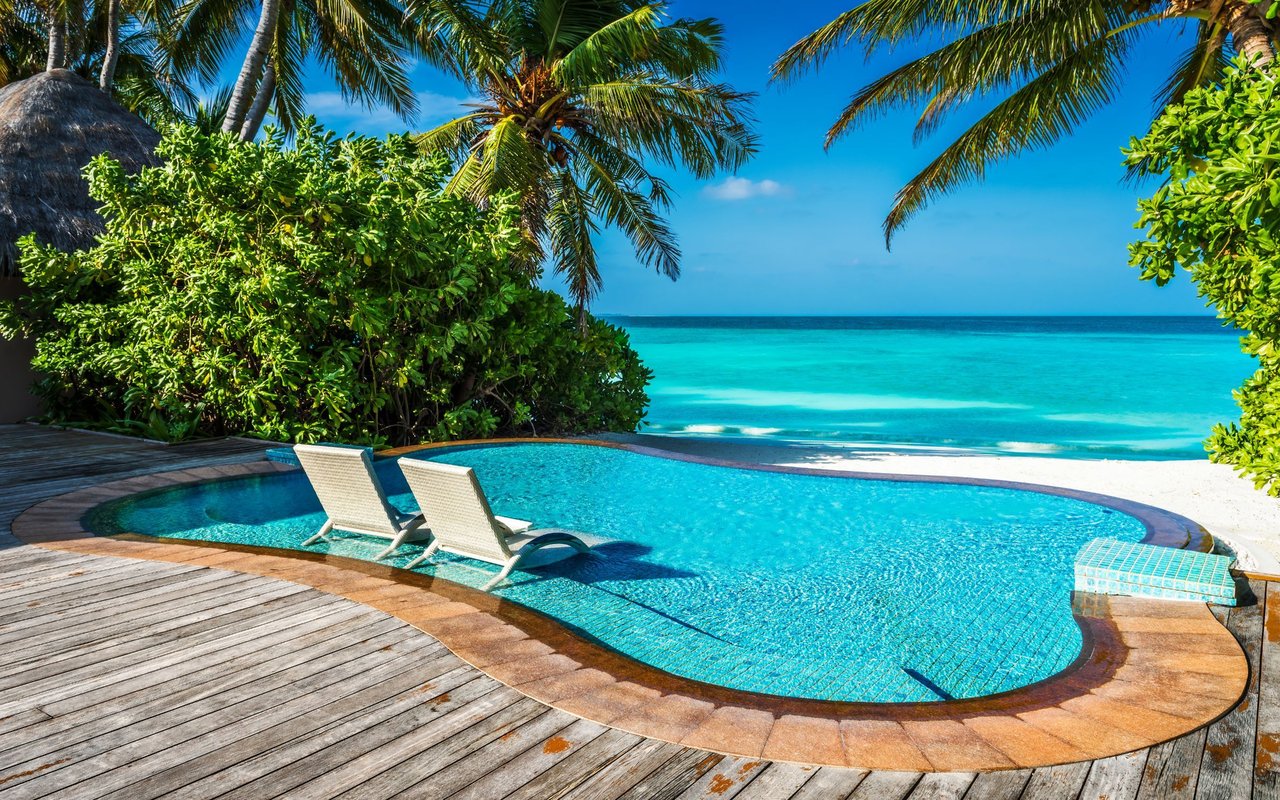
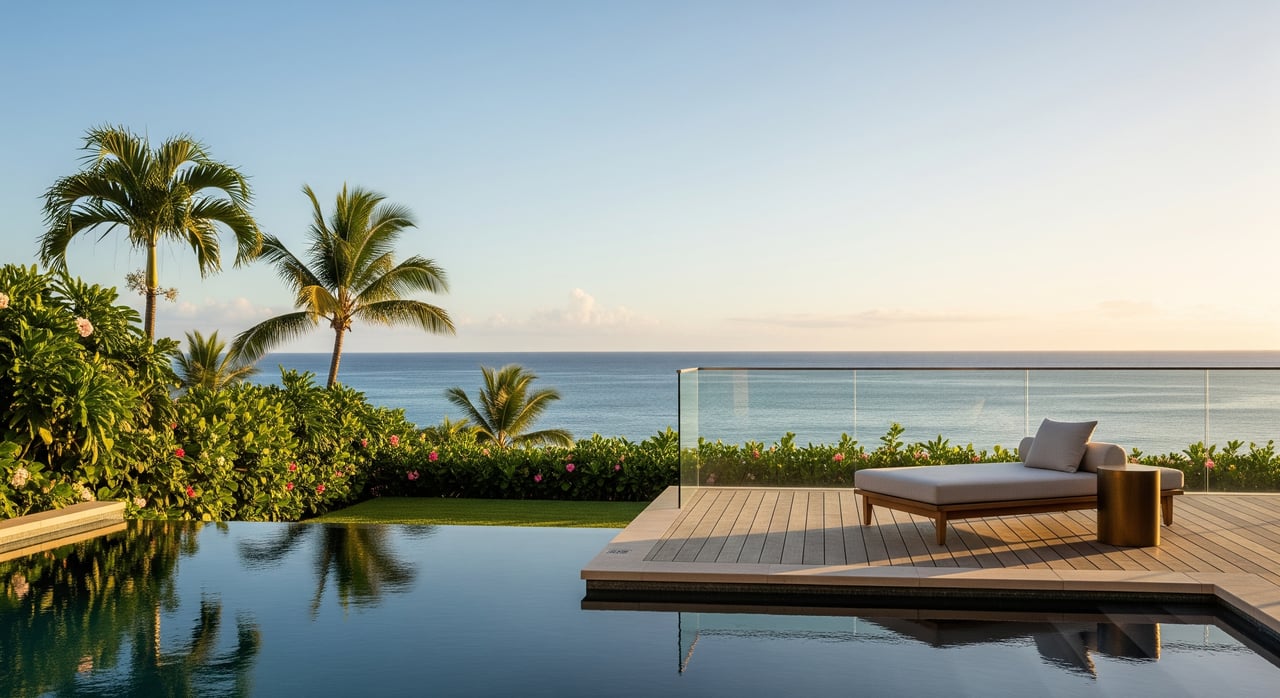
Kahala offers a quiet, upscale residential experience with larger lots and single-family homes. Streets feel relaxed and tropical, with a resort-adjacent vibe near Kahala Beach and luxury hotels. The area tends to be low density, with fewer late-night venues and lower pedestrian traffic than central Honolulu. If you want privacy, yard space, or beachfront proximity, Kahala aligns well.
Kahala Kua context
In and around Kahala, hillside areas such as Kahala Kua share the broader neighborhood’s low-density character. You can expect predominantly single-family living, a quieter setting, and access to nearby parks and shoreline. Many homes are custom or high-end, with some older properties that may invite thoughtful updates.
Kakaʻako snapshot
Kakaʻako is urban, mixed-use, and vibrant, with mid- to high-rise condos and active street life. You’ll find public art, lively dining, fitness studios, and retail woven into day-to-day living. The vibe is trendy and energetic, with more evening activity and visitor traffic than Kahala. If you value convenience and a leave-the-car-at-home lifestyle, Kakaʻako is a strong match.
Built form and amenities
Modern towers and mixed-use developments define Kakaʻako, with amenity-rich buildings and easy access to shopping and restaurants. You are close to Ala Moana, Ward Village, and SALT at Our Kakaʻako, plus waterfront parks for jogging and gatherings. Expect ongoing redevelopment and construction in parts of the district over time.
Homes and who they fit
Kahala centers on single-family homes. It is ideal if you want a standalone property with a yard, room for pets, or space for multi-generational living. You may see a mix of older residences ready for renovation alongside luxury new builds and high-end remodels.
Kakaʻako leans toward condominiums and apartments. This works well if you want low-maintenance living, building amenities, and proximity to retail, dining, and transit routes. Options range widely, from more attainable condos to ultra-luxury towers.
Price and affordability signals
While market numbers shift, the patterns are consistent. Kahala’s entry point is generally higher for single-family homes, driven by lot size, near-beach location, and neighborhood prestige. Inventory tends to be limited, and single-family listings may be competitive when they come to market.
Kakaʻako offers more variety in price points across different buildings. Per-square-foot pricing in luxury towers can rival premium single-family neighborhoods, yet the condo market typically has more inventory and a higher turnover rate. If flexibility and choice matter, Kakaʻako usually offers a wider spread of options.
Ownership costs to compare
Single-family owners in Kahala budget for yard maintenance, structural upkeep, and potential shoreline-related work on ocean-facing properties. Insurance can be higher for coastal exposure, and you will want to understand flood risk before you finalize a purchase.
Condo owners in Kakaʻako should plan for HOA or maintenance fees, plus possible special assessments. Review building rules carefully, especially rental restrictions if you are an investor. Understand how the master insurance policy works and what your personal policy should cover.
Commute and access
Kahala is more car-dependent, with reasonable drives to Waikiki and central Honolulu that can stretch at peak hours. Transit exists but is less frequent than urban cores. If you prioritize quiet residential streets and do not mind driving to entertainment or work, this may fit your routine.
Kakaʻako puts you closer to downtown, Ala Moana, and Waikiki. Many daily needs are within walking distance, and you can access major bus routes and central corridors. Rail connections are planned or operating near the district’s edges, and proximity to transit continues to shape long-term convenience.
Dining, shopping, and outdoors
In Kahala, you will find neighborhood dining and smaller shopping centers, plus resort dining nearby. Evenings are calmer, and the focus leans toward home life and the shoreline. The beaches and parks feel relaxed and family-friendly.
In Kakaʻako, day and night carry more energy. You can explore restaurants, cafés, specialty food venues, and retail hubs within blocks. Kakaʻako Waterfront Park and Ala Moana Beach Park draw joggers and weekend gatherings, with more crowd activity during peak times.
Families and services
Kahala’s single-family fabric often draws households who value yard space and neighborhood stability. The broader area has both public and private school options. Daily life in Kahala tends to center on home, beach, and nearby community parks.
Kakaʻako has fewer single-family options, so families who choose it often prioritize convenience, daycare or specialized programs, and building amenities. The tradeoff is condo living in exchange for walkability and easy access to services.
Risk, rules, and due diligence
In Kahala, coastal exposure brings wave action, erosion, and potential storm surge into the risk conversation for near-shore properties. Confirm flood zones and review shoreline guidelines as part of your purchase plan. Structural and roof checks matter for older homes, and termite and mold inspections are a standard step in Hawaii’s climate.
In Kakaʻako, urban living can include noise, higher foot traffic, and localized stormwater flooding in some areas. For condo buyers, diligence means reading the HOA documents, reserve studies, and meeting minutes to understand budgets, planned work, and rental restrictions. Whether you buy a house or a condo, get accurate insurance quotes early.
Which is right for you
Use these prompts to clarify your fit:
- Lifestyle: Do you value privacy and a yard or walkability and amenities?
- Home type: Single-family ownership or condo living with HOA obligations?
- Commute: How important is proximity to downtown jobs and transit routes?
- Budget: Are you comfortable with Kahala’s single-family entry point or do you prefer Kakaʻako’s range of condo prices?
- Costs: Would you rather budget for yard and structural upkeep or HOA fees and potential assessments?
- Risk: Are you prepared for coastal insurance considerations or urban density tradeoffs like construction and noise?
- Future change: Do you prefer low-density stability or an evolving urban district with ongoing development?
Notes for sellers
If you are selling in Kahala, highlight lot size, outdoor living, privacy, and proximity to the shoreline. Showcase tasteful upgrades and structural integrity, and present maintenance records that reassure buyers. A thoughtful design refresh can lift both appeal and price.
If you are selling in Kakaʻako, feature building amenities, walkability to retail and dining, and access to parks and central employment centers. Provide clear HOA documentation, fee details, and any special assessment history to support buyer confidence. Strong visual marketing and a clear narrative about the building’s lifestyle are key.
How I can help
If you are weighing Kahala or Kakaʻako, you deserve clear guidance that blends lifestyle fit with smart strategy. As a former luxury designer-builder, I can help you assess design potential, right-size renovations, and present a property at a level that resonates with premium buyers. For exit-oriented owners and investors, I coordinate tax-aware pathways such as 1031 exchanges and Delaware Statutory Trust transitions in partnership with your CPA and wealth team.
Whether you are buying into Kahala’s calm or Kakaʻako’s convenience, you will benefit from a plan that covers market comps, due diligence, insurance, and long-term value. When you are ready, let’s map your next step together.
Ready to compare properties or structure a high-confidence sale? Connect with Francein Hansen to schedule a Strategy Session.
FAQs
What is the core difference between Kahala and Kakaʻako?
- Kahala offers low-density, single-family living with a quieter, resort-adjacent feel, while Kakaʻako is an urban, mixed-use district centered on high-rise condos, walkability, and lively dining and retail.
How do ownership costs differ between a Kahala house and a Kakaʻako condo?
- Kahala owners budget for yard and structural upkeep and may face higher coastal insurance, while Kakaʻako buyers plan for HOA fees, potential assessments, and interior insurance alongside a building’s master policy.
What should investors know about Kakaʻako condo rentals?
- Many buildings have rental restrictions, and some limit short-term use, so review CC&Rs, bylaws, and meeting minutes and confirm rules with building management before assuming any rental strategy.
How does coastal risk affect Kahala homes near the shoreline?
- Near-shore properties can face wave action, erosion, and storm surge, so verify flood zones, understand shoreline management rules, and secure insurance quotes during due diligence.
What is the commute like from Kahala and Kakaʻako to central Honolulu?
- Kakaʻako sits closer to downtown and major corridors for shorter drives and strong transit access, while Kahala offers reasonable drives that can lengthen at peak times with less frequent transit service.
What documents should I review before buying in either area?
- For houses, gather inspection reports, maintenance records, and flood info; for condos, add HOA budgets, reserve studies, bylaws, minutes, and rental rules, plus insurance details for both property types.