
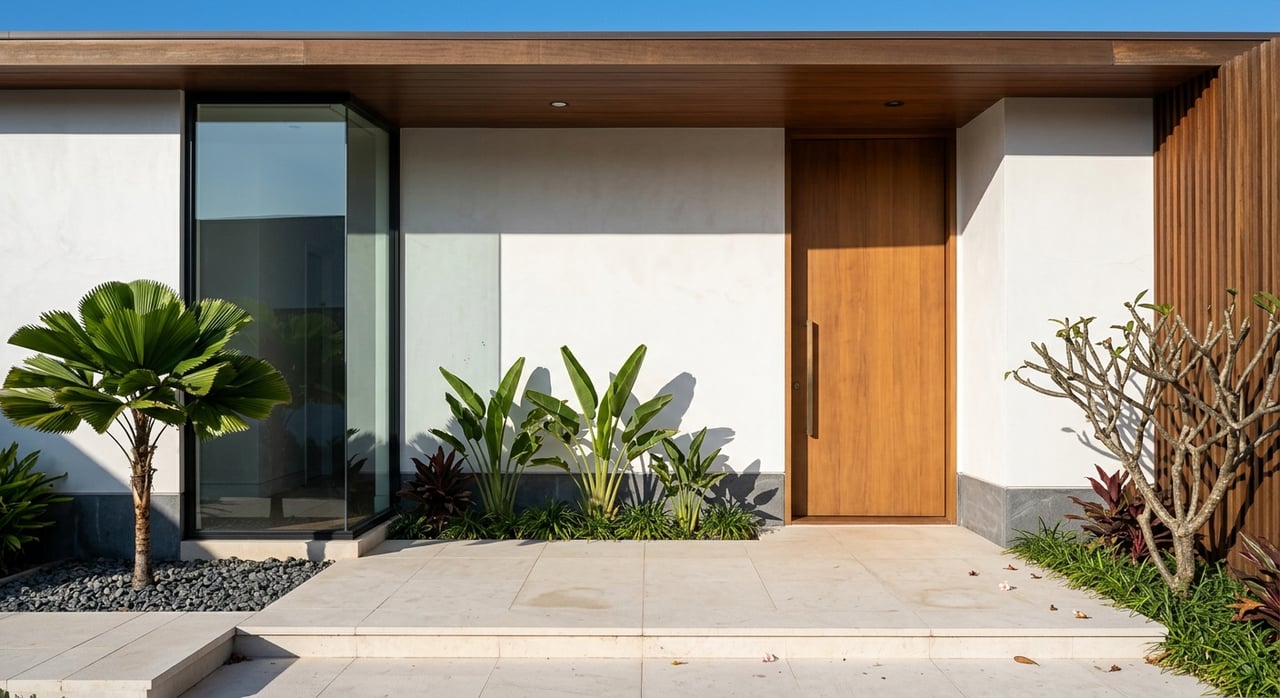
Selling in Hawaii Loa Ridge is not just about price, photos, and timing. It is also about paperwork, approvals, and whether the property’s visible improvements align with community rules. If you want a smoother sale and fewer surprises during escrow, it helps to understand how the ridge’s guidelines can affect buyer confidence, disclosure timing, and your prep strategy. Let’s dive in.
Why guidelines matter in a sale
If your home in Hawaii Loa Ridge is subject to a recorded declaration, Hawaii law requires you to provide key association documents to a buyer. That includes the declaration, bylaws, and rules related to common areas, architectural control, maintenance, or assessments. If there are added restrictions or unrecorded guidelines that apply to the property, those must be disclosed too.
That matters because disclosure is not a minor box to check late in the process. After a buyer receives the required documents, they have a 15 calendar day review and rescission window. The buyer must also acknowledge receipt of the disclosure statement in the contract or an addendum.
In practical terms, incomplete or late document delivery can create friction when you are trying to keep a transaction moving. In Hawaii Loa Ridge, where design review and exterior standards are detailed, buyers often pay close attention to whether past improvements appear properly documented.
Hawaii Loa Ridge rules buyers notice
The Hawaii Loa Ridge Owners Association makes a wide range of architectural and construction materials available to owners online. These include the ARC application, construction design guidelines, building guide, solar guidelines, mailbox designs, approved canopy-tree list, and post-construction procedures. The association’s building guide says owners should review the governing documents before submitting any request for construction, modification, or alteration.
That framework gives the association’s records real importance during a sale. The Hawaii Department of Commerce and Consumer Affairs states that no state agency oversees HOA governance, so the association’s own rules and approval history carry practical weight in transactions. For you as a seller, that means buyers may focus closely on what was approved, when it was approved, and whether the finished work appears consistent with the applicable rules.
Exterior changes can trigger review
One of the biggest surprises for sellers is how broad the ARC rules are. They do not apply only to major remodels or new builds. They also cover building placement, landscaping, color schemes, exterior finishes, materials, and similar visible features.
That broad scope means even a project that feels cosmetic may still fall within review. If you are considering a pre-list refresh, it is smart to confirm whether the work touches any regulated exterior element before you start.
What the ARC may require
For new construction and exterior alterations, the association may require a detailed plan package. Depending on the project, that can include survey information, floor plans, elevations, materials and color samples, landscape plans, lot coverage calculations, and a construction schedule.
Owners are also responsible for obtaining required state and county permits before work begins. So if you are hoping to squeeze in an exterior update right before listing, the review and permitting process can affect your launch timeline.
Fees and timing can affect listing plans
Review fees are nonrefundable, and the ARC may classify projects based on scope. Work under $25,000 may be exempt only at board discretion, which means smaller projects are not automatically outside the process.
Approval is generally valid for one year. If work starts before approval, the normal review fee can be doubled. For a seller, that can turn a rushed improvement into added cost and a preventable compliance issue.
Construction rules can affect your schedule
The association also controls construction operations. Its building guide limits work hours, requires cleanup by 5:30 p.m., and enforces standards for dust, debris, and noise.
If you are living in the home while preparing it for market, those rules can shape when work happens and how long the property feels like a job site. They can also affect showing readiness if you are trying to balance active prep with photography, staging, or buyer tours.
Design standards shape buyer expectations
In a community like Hawaii Loa Ridge, buyers often expect visible consistency and thoughtful design. The ARC rules support that by regulating several exterior details that directly affect curb appeal.
For sellers, this matters because buyers may not separate the home’s beauty from its compliance story. A polished exterior tends to feel more reassuring when it also appears aligned with community standards.
View channels matter
View channels are a specific design constraint in Hawaii Loa Ridge. Applications must identify view channels, and trees, hedges, and other plants in those areas cannot protrude more than six feet above adjacent natural grade.
If your lot includes landscaping near a view channel, buyers may pay attention to whether growth looks controlled and consistent with the rules. This is one reason landscape maintenance can play a larger role here than in neighborhoods with less detailed exterior review.
Landscaping is more than decoration
The rules favor a landscaped street edge, front-yard canopy trees, and screened utility areas. They also require rubbish-bin enclosures, encourage side-yard hedges, and require visual screening for pool equipment, air-conditioning units, and similar service equipment.
That means landscaping is not just about beauty. It also supports how the property functions within the community’s design standards, which can influence how buyers perceive upkeep and planning.
Exterior details are tightly managed
Several visible features are specifically regulated. Garage doors must be visually opaque and color harmonized with the home. Bright white vinyl fencing is not permitted, and roof replacements must either match the existing appearance or use approved dark-brown stamped aluminum.
These details may seem small, but they can stand out during buyer due diligence. If a buyer notices an exterior element that seems inconsistent with the rules, it may lead to more questions, more document requests, or a new negotiation point.
Solar and utility features count too
Solar panels must be low-profile, black, symmetrically laid out, and installed with concealed conduit. Ground-mounted solar systems are not permitted. Air-conditioning conduit should also be concealed or visually blended into the exterior.
These standards are especially relevant if your home has added energy or cooling upgrades over time. Buyers often appreciate these features, but they may also want confidence that the installation fits the association’s design requirements.
Sloped lots can add complexity
On sloped lots, steps, patios, decks, grading, and similar site improvements are reviewed case by case. In Hawaii Loa Ridge, where topography can shape both design and visibility, that can make some exterior changes more sensitive than they first appear.
If you have completed hillside or site work, it is worth gathering any related approvals before listing. Work that changes the visible profile of the property may draw more attention during due diligence.
Prior approvals can help your sale
The ARC rules say approvals run with the property. In general, that means a buyer can rely on a previously approved plan.
At the same time, the rules also state that later amendments can apply to existing lots and improvements, subject to protection for prior approvals. For sellers, the key takeaway is simple: prior approval records are valuable, and organized documentation can make your file easier for a buyer to understand.
What sellers should gather before listing
If you have completed exterior work, it helps to collect the documents that show the project’s path from approval to completion. A clean file can reduce avoidable back-and-forth once a buyer starts reviewing disclosures.
Consider pulling together:
- ARC approvals
- Plan sets or submitted drawings
- State and county permit records, if required for the work
- Any post-construction or closeout paperwork you received
- Notes on the timing and scope of exterior improvements
This kind of preparation can be especially useful if improvements were done years ago and records are no longer easy to find.
A smart pre-list strategy for Hawaii Loa Ridge
Before you invest in upgrades, start with the official documents. Review the governing rules, confirm whether prior exterior work was approved, and then decide whether more improvements are worth the time, cost, and compliance effort.
That approach helps you avoid spending money on changes that may trigger review or delay your market launch. It also supports a stronger listing story, because you can present the home with both aesthetic confidence and better documentation.
For many sellers, this is where experienced design and sale strategy become especially valuable. If you are weighing presentation updates, timing, and the financial side of your next move, a thoughtful plan can help you protect both price and net outcome.
If you are preparing to sell in Hawaii Loa Ridge and want a more strategic approach to compliance, presentation, and timing, schedule a strategy session with Francein Hansen.
FAQs
What Hawaii Loa Ridge documents must a seller provide to a buyer?
- If the property is subject to a recorded declaration, Hawaii law requires the seller to provide the declaration, bylaws, and rules related to common areas, architectural control, maintenance, or assessments, plus any additional restrictions or unrecorded guidelines that apply.
How long does a Hawaii Loa Ridge buyer have to review association documents?
- After receiving the required documents, the buyer has a 15 calendar day review and rescission window, and must acknowledge receipt of the disclosure statement on the contract or an addendum.
Can a Hawaii Loa Ridge seller do exterior work before ARC approval?
- Starting work before approval can create compliance risk, and the association’s building guide says doing so can double the normal review fee.
Do small exterior changes matter in Hawaii Loa Ridge?
- Yes. The ARC rules cover a wide range of visible features, including landscaping, exterior materials, colors, equipment screening, and similar elements.
Do old ARC approvals still help when selling a Hawaii Loa Ridge home?
- Yes. The ARC rules say approvals run with the property, so prior approvals generally remain important during a sale.
Why do Hawaii Loa Ridge buyers care about ARC rules before closing?
- Buyers receive association documents as part of the required disclosure process, and those materials can affect their understanding of the property, their due diligence, and their decision during the review period.