Want the best of Honolulu’s city energy and ocean views without complicating your day? If you picture coffee, errands, parks and dinner all a short stroll from home, Kakaako deserves a close look. In this guide, you’ll get a clear picture of everyday luxury in Kakaako’s walkable district, the tradeoffs to consider, and a practical checklist to help you choose the right building for your lifestyle. Let’s dive in.
Kakaako at a glance
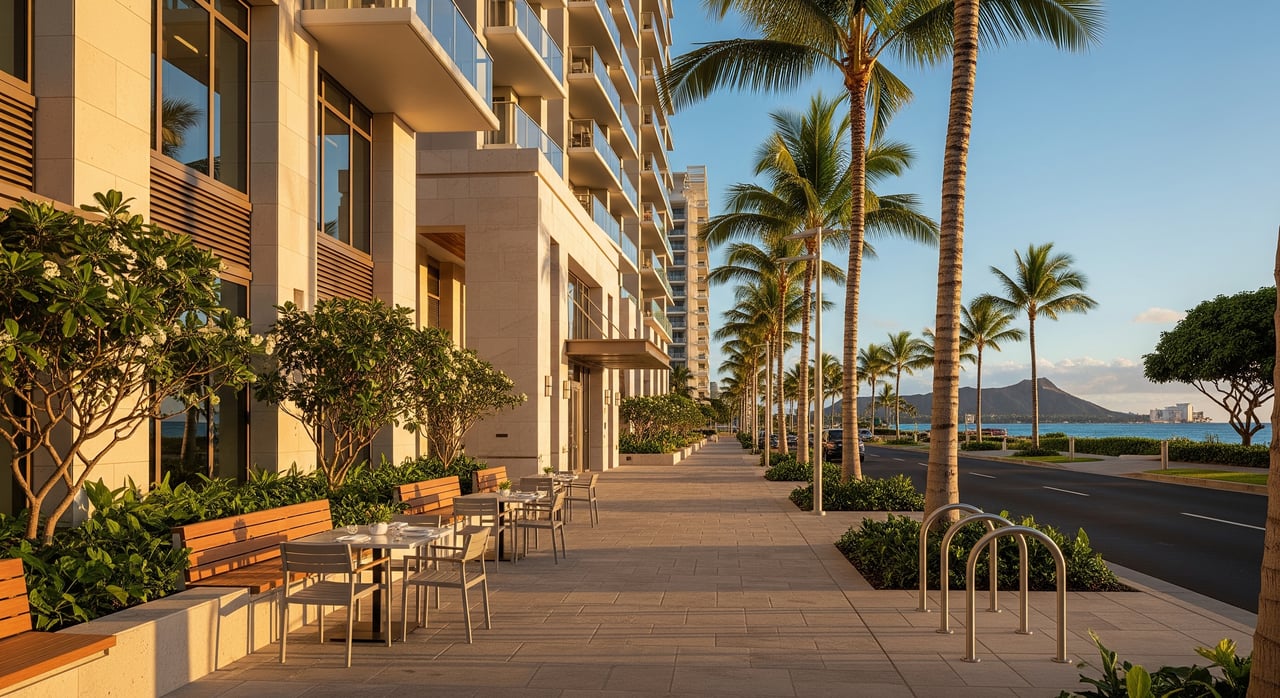
Kakaako sits between downtown Honolulu and Ala Moana on Oʻahu’s south shore. Over the last decade, it has transformed from light industrial blocks into one of the island’s most vertical, urban neighborhoods. You’ll find mid to high-rise condominium towers, ground-floor shops and restaurants, and small urban parks woven through the streets.
The area is designed for an on-foot lifestyle. Retail and services are clustered, so you can move easily between cafes, gyms, salons and neighborhood markets. Construction and street work do occur as new projects roll out, so some routes may change or feel less comfortable from time to time. Public art and murals brighten many blocks, and pop-up events bring steady activity to plaza areas and parks.
Walkability and errands
If you like to leave the car in the garage, Kakaako works well for most daily needs. You can walk to coffee, quick lunch spots, sit-down restaurants, fitness studios, dry cleaners, and specialty markets. For fuller grocery runs or big-box items, Ala Moana Center and nearby corridors are a short drive away.
Multiple bus routes serve the district, though frequency varies by route and time of day. If transit will be part of your daily routine, check current schedules for your exact building and commute. Many residents also use short rideshare or bike trips to fill in the gaps.
Dining and retail scene
Kakaako offers a wide range of dining, from casual stalls and cafes to higher-end restaurants with city or ocean outlooks. Retail includes a mix of established operators and rotating pop-up or concept tenants, which keeps the scene fresh. Evening activity concentrates around restaurant clusters, giving you a lively but manageable night out compared with larger tourist zones.
If you entertain often, guests will appreciate being able to meet you for dinner or drinks without driving far. That said, tables at popular spots can fill during peak times. Planning ahead for reservations or choosing off-peak hours helps you keep things relaxed.
Parks and ocean access
Urban parks and waterfront spaces thread Kakaako together. Kakaako Waterfront Park offers oceanfront green space and walking paths for morning jogs or sunset strolls. It is not a traditional swimming beach, and much of the shoreline in this district is rocky.
For swimming and sandy beach time, Ala Moana Beach Park is a short walk or quick drive and includes the calm lagoon at Magic Island along with picnic areas. Kewalo Basin is close by as a working harbor, so you can enjoy the view of boats and occasional waterfront activities. If daily ocean dips are essential, plan your routine around the Ala Moana stretch.
Amenities and vertical living
“Everyday luxury” in Kakaako usually means modern condo living with strong amenities. Many towers include 24-hour concierge or security, fitness centers, pools and lounges, BBQ and entertainment decks, guest suites and secured parking. Amenity quality and programming vary widely, so it pays to compare.
Units often focus on indoor-outdoor flow with lanais and views, while floor plans are more compact than single-family homes. You trade yard work for streamlined living and shared spaces. Storage and private outdoor areas are limited, so plan how your hobbies and gear will fit.
Transit and getting around
Car access is straightforward to downtown Honolulu, Ala Moana and the H-1 freeway. Street parking near popular retail can be tight during peak hours, so you will rely on your assigned stall and guest parking policies for visitors. Bicycle infrastructure is improving across Honolulu, but protected lanes are not continuous.
If you travel often, Daniel K. Inouye International Airport is a short drive, with timing that depends on traffic patterns. When comparing buildings, walk or drive your commute at the times you will actually travel. This gives you a realistic sense of daily rhythm and access.
HOA rules and lifestyle
Condominium associations play a big role in daily life here. Rules often cover pet size and number, smoking bans, guest parking, delivery handling, noise, amenity reservations and how contractors access the building for renovations. Short-term or vacation rentals are commonly restricted and may be prohibited by both the association and local regulations.
If you plan to use a home as a flexible second residence or occasional rental, verify the building’s bylaws and the city and county rules before you write an offer. Request the HOA documents early, including CC&Rs, house rules, budgets, reserve studies and meeting minutes. This is the best way to align expectations with your lifestyle.
Costs, dues and assessments
Many luxury towers carry higher monthly HOA dues to cover security, staff and amenities like pools and fitness centers. Dues can materially affect your monthly costs, so confirm the exact figure and what it includes. Ask about any planned or potential special assessments for major repairs or capital projects.
Property taxes in Honolulu vary by property class, and second homes do not receive a primary residence exemption. If you plan to rent, you must follow state and county rules for transient accommodations and general excise taxes, provided the use is allowed by the building and local regulations. For long-term investors, modeling realistic income and expenses up front helps you avoid surprises.
Weather, insurance and upkeep
Coastal living in Hawaiʻi is beautiful but requires vigilant maintenance. Buildings face salt air corrosion, humidity and strong sun, so you should review reserve levels, recent repair history and exterior maintenance plans. Ask about pest or mold history and any building envelope or cladding work.
Parts of the waterfront sit within coastal hazard zones. Confirm flood maps, wind mitigation features and how insurance is handled for the building and individual owners. Your lender and insurer will outline requirements, but a pre-offer check with the association manager is wise.
Second-home buyer checklist
Use this quick set of checks to evaluate a specific address and building:
- Walk the neighborhood at different times and days to gauge noise, light, parking and foot traffic.
- Request HOA documents before making an offer, including CC&Rs, rules, rental policy, pet policy, reserve study, budget and meeting minutes.
- Confirm monthly dues, what they cover and any planned special assessments.
- Verify your view corridors and ask about active permits or planned developments that could affect views.
- Check your stall: number of parking spaces, location, EV charging options, and guest parking policies.
- Map your daily conveniences: grocery, pharmacy, bank, medical providers and favorite restaurants.
- If renting is part of your plan, confirm building rules and local permit requirements and model occupancy and net income conservatively.
- Ask about recent maintenance related to salt air, humidity and building envelope integrity.
Daily life: pros and tradeoffs
Kakaako’s everyday strengths are clear if you value urban convenience and low-maintenance living. You have a wide choice of dining, fitness and services within a short walk, along with on-site amenities that can replace club or yard needs. Access to downtown and Ala Moana is simple, and the airport is close by for frequent travelers.
Tradeoffs include less private outdoor space, limited storage and the need to follow HOA rules. Street life and deliveries can add noise for certain units, and retail or construction changes may affect the feel of nearby blocks. Safe swimming is typically at Ala Moana Beach Park rather than directly in front of most buildings.
Is Kakaako a fit?
Choose Kakaako if your ideal day is a morning coffee walk, a quick gym visit, lunch downstairs and an easy sunset stroll by the water. It suits you if you prefer a polished, vertical lifestyle over yard work and long drives. If a large private lanai, a backyard, or direct beach access are non-negotiable, you may want to compare options in other Honolulu or East Oʻahu neighborhoods.
If you are exploring a second home or an investment, align your goals with the building’s rules and tax realities. Many owners love the convenience and lock-and-leave security here. With the right match, Kakaako delivers a refined urban rhythm within minutes of Honolulu’s best shopping and a beloved family-friendly beach park.
Ready to narrow your building shortlist, compare HOA profiles and run a smart plan for ownership or exit strategy? Connect with Francein Hansen to Schedule a Strategy Session and map the best path for your lifestyle and long-term goals.
FAQs
How walkable is daily life in Kakaako, Honolulu?
- You can typically walk to cafes, restaurants, specialty markets, fitness studios and services, with larger grocery and big-box needs a short drive away.
Is there swimmable beach access near Kakaako condos?
- The shoreline in Kakaako is mostly rocky; for swimming and sandy beach time, Ala Moana Beach Park and Magic Island are a short walk or drive away.
How noisy is condo living in Kakaako, Honolulu?
- Noise varies by building and unit location; street-facing units near retail or delivery areas may be louder, so visit at different times and ask about rules and sound mitigation.
What HOA rules should I expect in Kakaako condominiums?
- Associations often regulate pets, smoking, guest parking, deliveries, amenities, renovations and short-term rentals, so review CC&Rs and house rules before making an offer.
What monthly costs should I plan for in Kakaako towers?
- Expect higher HOA dues in luxury buildings to fund security, staff and amenities, and confirm any planned special assessments that could affect your budget.
How is parking and car ownership handled in Kakaako condominiums?
- Most luxury towers have secured, assigned parking; guest parking and street parking can be limited during peak hours, so confirm policies for visitors.
Is a Kakaako condo suitable for a second home or 1031 strategy?
- It can be, but verify rental rules, local regulations and tax considerations early, and coordinate your plan with the building’s policies and your advisory team.