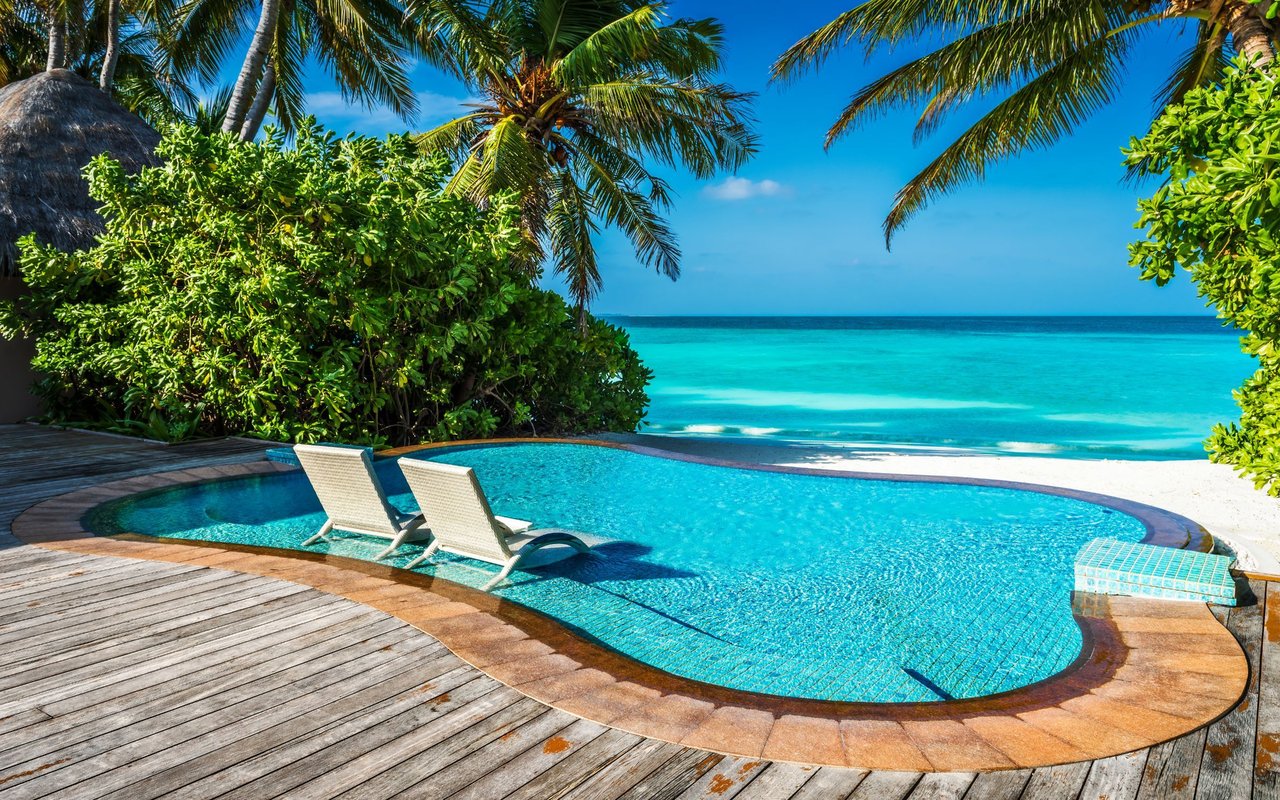
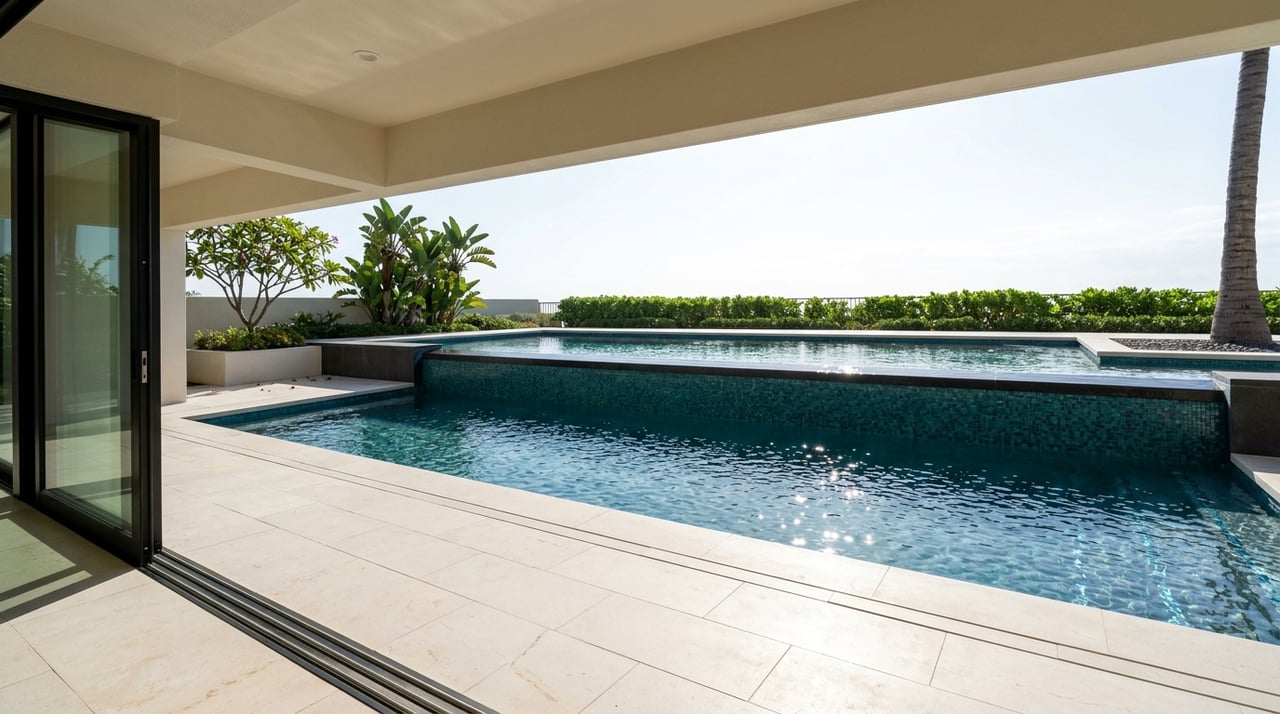
Oceanfront living can look effortless from the outside, but daily life in Koko Kai is really about rhythm. You are living beside the water, near a working coastal system, in a part of East Honolulu that feels residential and tucked away while still connected to everyday essentials. If you are curious about what that actually means from morning to night, this guide will walk you through the setting, routines, climate, and upkeep that shape life here. Let’s dive in.
Koko Kai in East Honolulu
Koko Kai sits within the broader Hawaii Kai and Portlock shoreline system on the southern coast of Oʻahu, near the eastern end of Maunalua Bay. A state environmental assessment describes Hawaii Kai as a mixed-use area with open water, thousands of residences, shopping centers, and a full-service marina about 12 miles east of downtown Honolulu.
That larger context matters because Koko Kai does not feel isolated. Instead, you get a more private, residential setting that is still connected to marina infrastructure, local services, and ocean access within East Honolulu. For many buyers, that balance is a big part of the appeal.
The pace feels coastal, not urban
One of the defining features of day-to-day life here is how different it feels from Honolulu’s commercial core. The shoreline, the marina activity, and the surrounding residential fabric create a routine that is quieter and more neighborhood-focused.
You may still be running errands, meeting friends, or heading out for dinner, but the backdrop is coastal rather than city-centered. That shift often shapes the whole experience of living in Koko Kai, especially if you value a calmer home base with the ocean woven into everyday life.
Weather supports year-round outdoor living
Nearby NOAA climate normals for Honolulu show an annual mean temperature of 78.0°F, with average daily highs of 84.6°F and lows of 71.5°F. Annual precipitation averages 16.41 inches, with a generally drier summer pattern and wetter late fall and winter months.
In practical terms, that supports an outdoor lifestyle through most of the year. The National Weather Service describes Hawaiʻi’s climate as mild and trade-wind driven, with two general seasons, summer and winter, rather than dramatic temperature swings.
For you, that can mean morning walks, time on the lanai, and ocean-based routines becoming part of normal life instead of special occasions. The climate is warm and stable, which helps make the outdoors feel like an extension of home.
Trade winds shape the feel of the coast
Climate is not just about temperature. On southeastern Oʻahu, wind and dryness are part of the everyday feel too.
The nearby Kaiwi State Scenic Shoreline, including the Makapuʻu area, is described by the Department of Land and Natural Resources as hot, dry, and windy. While Koko Kai has its own micro-setting, that description offers a useful clue about the broader coastal character of this side of the island.
If you enjoy fresh air and a strong connection to the elements, this is often part of the attraction. It also means your home and outdoor spaces are best enjoyed with a coastal mindset, where breezes, sun, and salt air are part of daily life.
Ocean access becomes part of your routine
In some neighborhoods, being near the water is mostly about the view. In Koko Kai, the water can become part of how you actually live.
The Maunalua Bay Launch Ramp, located at the northeastern end of Maunalua Bay near Koko Head Crater, includes two ramps and a loading dock. For residents who boat, paddle, or spend regular time on the bay, that nearby infrastructure supports a more active and practical ocean routine.
That can change the cadence of a normal day. Instead of planning a major outing, you may think in terms of a quick early paddle, a boating window before lunch, or a short trip out on the bay when conditions line up.
Nearby amenities support daily convenience
A big advantage of this area is that you do not have to choose between coastal living and practical convenience. East Honolulu offers nearby shopping, dining, and service hubs that fit into day-to-day routines.
Koko Marina Center includes water sports activities, specialty and gift shops, personal services, technology services, restaurants, and entertainment. Hawaii Kai Towne Center describes itself as a 27-acre retail and office complex with dining, banking, medical and professional services, retail, and community events.
That means you can often pair errands with the rest of your day without going far. In real life, that convenience matters because it helps oceanfront living feel sustainable and easy, not remote or overly complicated.
The shoreline offers more than one kind of outing
Living in Koko Kai also places you near some of East Honolulu’s signature coastal experiences. Hanauma Bay, identified by DLNR as a marine life conservation district near Koko Head, adds another layer to the local lifestyle.
For you, that means the area offers variety. Some days may center on the bay or marina, while others may be about enjoying scenic shoreline settings that reinforce why this part of Oʻahu stands apart.
Seasonally, the nearby Makapuʻu lookout also offers whale-watching opportunities. DLNR notes that humpbacks are typically visible from November through May, with peak viewing from January through March.
What daily homeownership really involves
The oceanfront experience is not only about views and access. It also comes with a different homeownership rhythm.
FEMA’s coastal construction guidance notes that wind-driven saltwater spray can contribute to corrosion and moisture intrusion. It also explains that coastal homes are affected by exposure to salt air, moisture, and the consistency of ongoing maintenance.
NASA has similarly noted that salty sea breezes can accelerate corrosion and contribute to wear in porous materials such as brick, stone, tile, and concrete. For you as a homeowner, this usually means staying ahead of upkeep rather than waiting for visible problems to build.
Maintenance is a lifestyle skill
In Koko Kai, maintenance-aware living is often part of the package. That does not mean oceanfront ownership is difficult, but it does mean regular care matters.
Typical routines may include rinsing exterior metalwork, checking hardware and finishes, and keeping a closer eye on paint, sealants, glazing, decking, and mechanical equipment. A home near the coast often performs best when those tasks are handled consistently.
This is one area where thoughtful design and material choices can also matter. If you are preparing a property for sale or thinking about long-term ownership, presentation and durability often go hand in hand in an oceanfront setting.
Why Koko Kai appeals to many buyers
Koko Kai tends to attract buyers who want a specific mix of qualities. The setting offers a warm, trade-wind coastal climate, ready access to boating and snorkeling, nearby shopping and dining, and a residential feel that is less urban than central Honolulu.
That combination is not easy to replicate. You are getting a neighborhood experience shaped by the shoreline, yet supported by established East Honolulu infrastructure and services.
For some, the draw is lifestyle first. For others, it is the rare blend of privacy, everyday livability, and a strong sense of place.
What to notice if you are considering a move
If you are exploring Koko Kai, it helps to look beyond the headline view. Pay attention to how the home sits within the coastal environment, how easy your daily routines would feel, and how the property supports the kind of ocean access you actually want.
It is also worth noticing the maintenance profile of the home. In an oceanfront location, details like exterior finishes, hardware condition, glazing, and deck materials can tell you a lot about how the property has been cared for over time.
If you are a future seller, those same details matter in presentation and positioning. In a luxury coastal market, design, upkeep, and strategic preparation can have a real impact on how a property is perceived.
Koko Kai offers a distinctive version of East Oʻahu living, one where the coast shapes your routine in practical ways, not just scenic ones. If you are thinking about buying, selling, or preparing an oceanfront property in this part of Honolulu, Francein Hansen can help you think through lifestyle fit, presentation strategy, and the details that matter most.
FAQs
What is daily life like in Koko Kai, Honolulu?
- Daily life in Koko Kai often feels quiet, residential, and coastal, with ocean access, marina-related amenities, and nearby shopping and services all part of the broader East Honolulu system.
How warm is the weather near Koko Kai?
- Nearby Honolulu climate normals show an annual mean temperature of 78.0°F, with average daily highs of 84.6°F and lows of 71.5°F, which supports year-round outdoor living.
What ocean activities are convenient from Koko Kai?
- Residents are near Maunalua Bay, the Hawaii Kai marina system, the Maunalua Bay Launch Ramp, and Hanauma Bay, which can support boating, paddling, snorkeling, and other bay-based routines.
Does oceanfront living in Koko Kai require more maintenance?
- Yes, coastal exposure can increase wear from salt air and moisture, so oceanfront homes often benefit from regular attention to metalwork, finishes, paint, sealants, glazing, decking, and equipment.
Why do buyers consider Koko Kai in East Honolulu?
- Buyers are often drawn to Koko Kai for its residential coastal setting, year-round warm climate, practical access to water-oriented amenities, and a lifestyle that feels less urban than central Honolulu.